Publicaciones
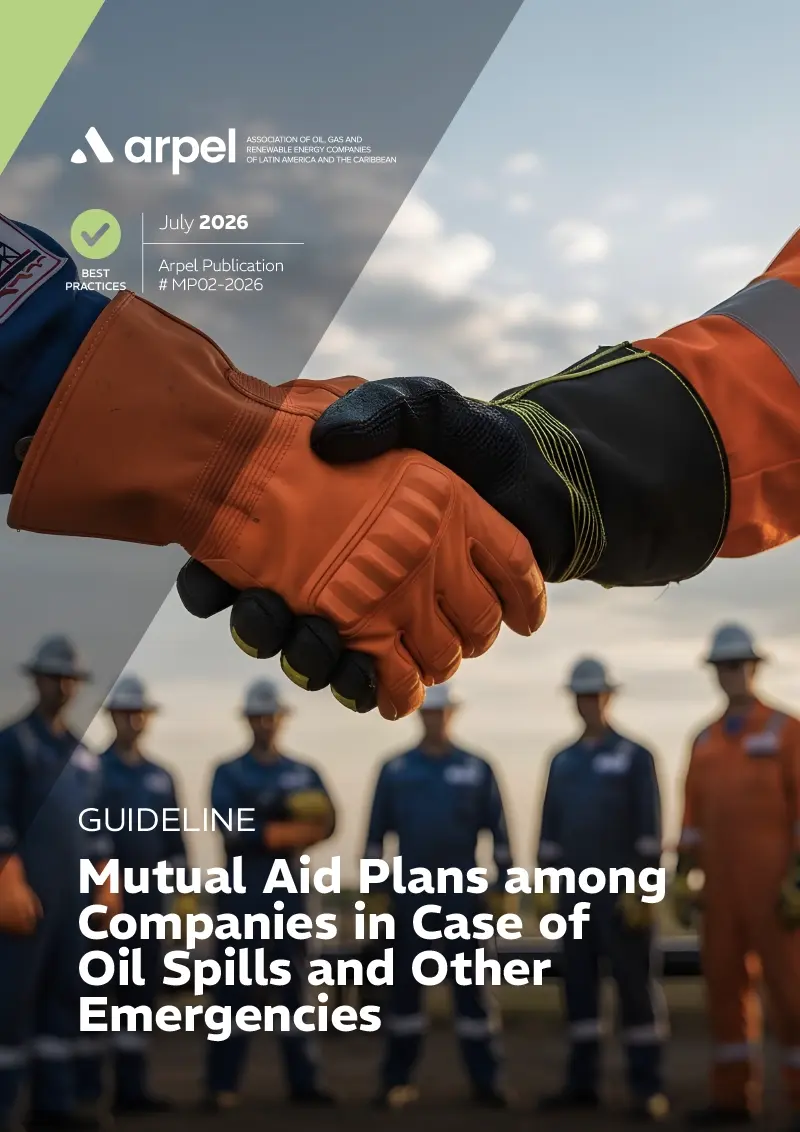
Guideline - Mutual Aid Plans among Companies in Case of Oil Spills and Other Emergencies
The Arpel Guideline – Mutual Aid Plans between Companies for Oil Spills and Other Emergencies provides companies with a practical and proven framework to strengthen emergency preparedness and response capabilities through structured cooperation with other organizations. Recognizing that an effective response to oil spills and other emergencies often exceeds the resources of a single company, the Guideline promotes a collaborative approach that expands collective response capability, optimizes the use of specialized personnel and equipment, and strengthens operational, environmental, and social resilience.
This publication represents a particularly valuable contribution to the oil and gas industry because it brings together, in a single document, the best regional and international practices and the practical experience of operating companies that have already implemented mutual aid agreements. Rather than presenting a theoretical model, it offers a structured methodology for designing, implementing, maintaining, and evaluating such agreements, covering their strategic, operational, legal, organizational, and logistical aspects. It also addresses a widely recognized industry need for practical references that facilitate the establishment of effective cooperation mechanisms between companies, both within the same country and across national borders. The Guideline is intended for managers and professionals responsible for emergency preparedness and response, health, safety, environment, and operations, as well as legal advisors, business continuity managers, competent authorities, and other organizations involved in emergency response planning and coordination.
One of the Guideline's principal strengths is that it goes well beyond the preparation of a contractual agreement. It provides a systematic methodology for defining roles and responsibilities, governance structures, resource-sharing mechanisms, activation and demobilization procedures, integration with the Incident Command System, and continuous improvement processes, ensuring that mutual aid agreements operate effectively during actual incidents.
The Arpel Template (Excel™ file) included in the Guideline incorporates regional and international best practices and guides organizations in the development of Mutual Aid Agreements and Mutual Aid Plans through a logical and sequential process. Its flexible design allows it to be adapted to a wide range of operational contexts—including onshore, offshore, marine, and transportation activities—as well as to different regulatory, organizational, and geographical environments.
The model is equally valuable for cooperation among organizations operating within the same country or across national borders. In such cases, it facilitates the harmonization of criteria, compatibility with different regulatory frameworks, and the operational coordination required to ensure a rapid and effective response to major emergencies.
To facilitate implementation, the Guideline includes an editable Excel tool that enables organizations to customize the Template to their specific needs, simplifying the development, management, and updating of robust, practical, and fully operational Mutual Aid Agreements and Mutual Aid Plans.
Compartir en las redes


Contenido relacionado
El gas natural en la transición hacia economías bajas en carbono - El caso de Latinoamérica y el Caribe
Este documento provee una visión general sobre el rol del gas natural y los gases verdes o bajos en... Más info
Informe Arpel Benchmarking Seguridad de Procesos (datos 2021)
Este informe es un estudio comparativo anual entre las empresas asociadas a Arpel sobre incidentes... Más info
Transición Energética del Sector Refinación
La transición energética hacia una economía baja en emisiones de carbono es una necesidad... Más info
Arpel y el Pacto Mundial (COE 2021)
Arpel fomenta la mejora del desempeño socio-ambiental y de los estándares y prácticas de... Más info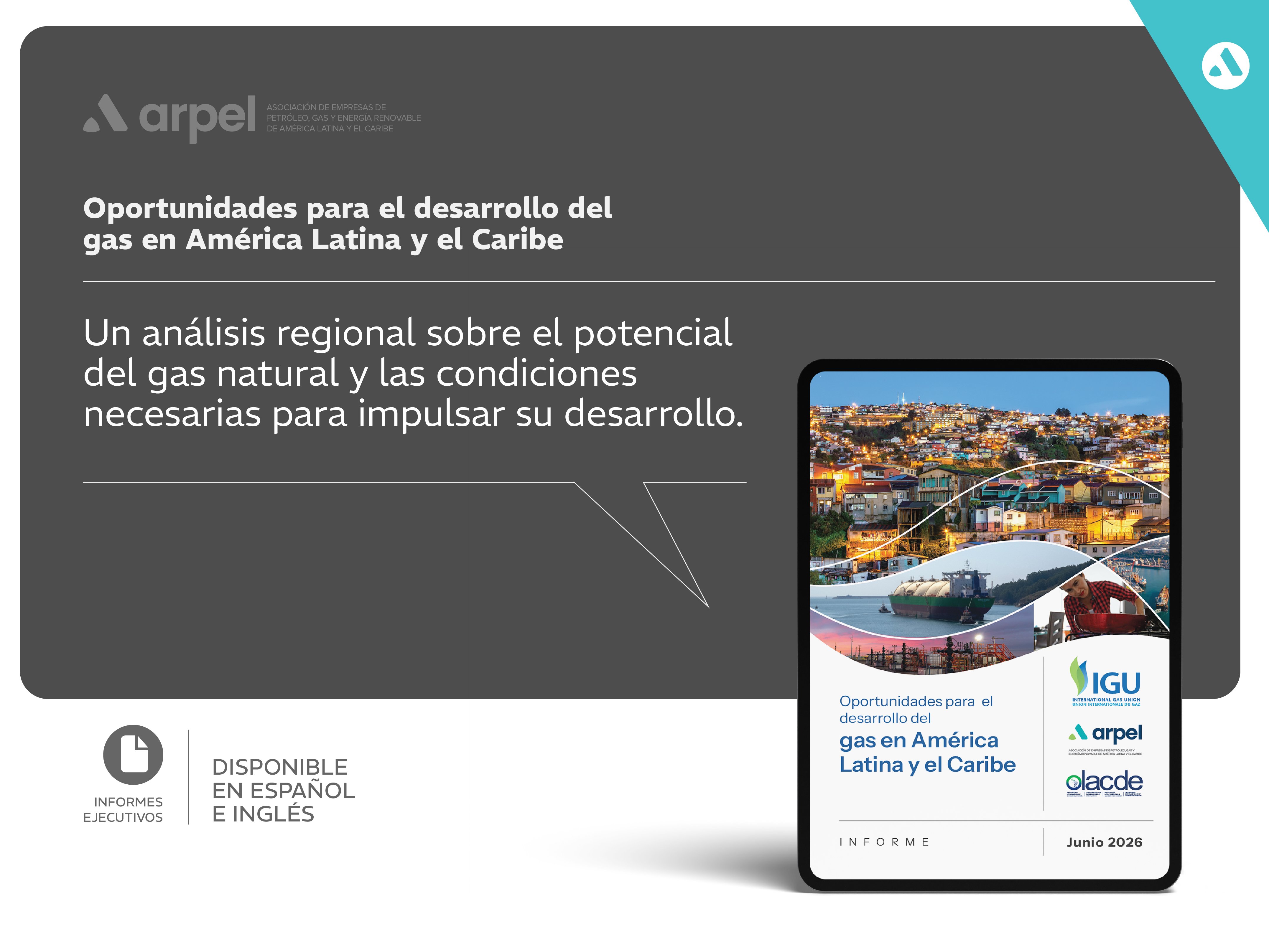
Oportunidades para el desarrollo del gas en América Latina y el Caribe: un informe de Arpel, IGU y OLACDE
Arpel, la Unión Internacional del Gas (IGU) y la Organización Latinoamericana y Caribeña de Energía... Seguir leyendo
Carlos Garibaldi, Secretario Ejecutivo de Arpel: “Seguiremos haciendo de la colaboración la esencia de nuestra misión”
Tenemos el orgullo de celebrar los 61 años de Arpel. Nuestra asociación fue fundada en Río de... Seguir leyendo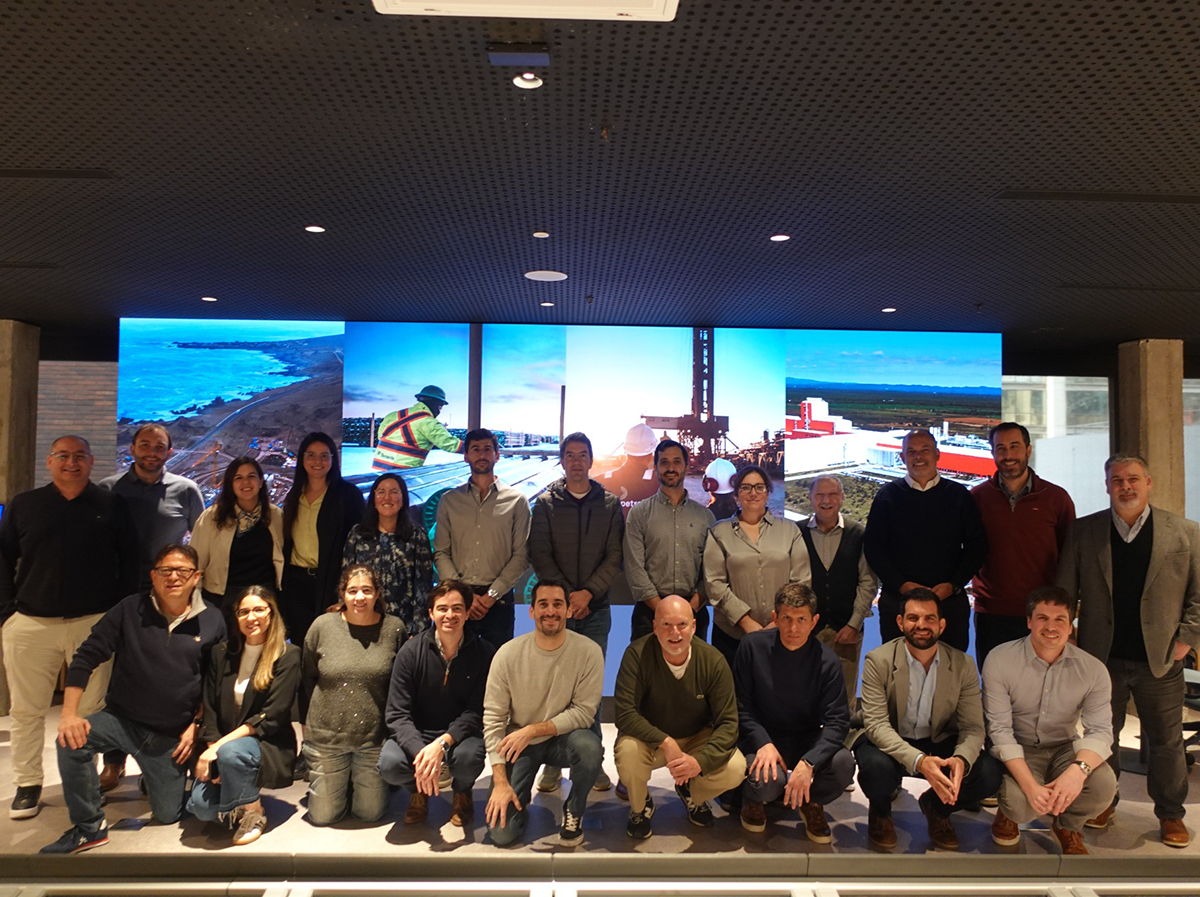
Curso Arpel “Negotiation in Brief” – edición 2026 en Buenos Aires: una experiencia práctica de negociación con Tecpetrol como empresa anfitriona
Buenos Aires fue sede de la primera edición de “Negotiation in Brief” desarrollada por Arpel junto... Seguir leyendo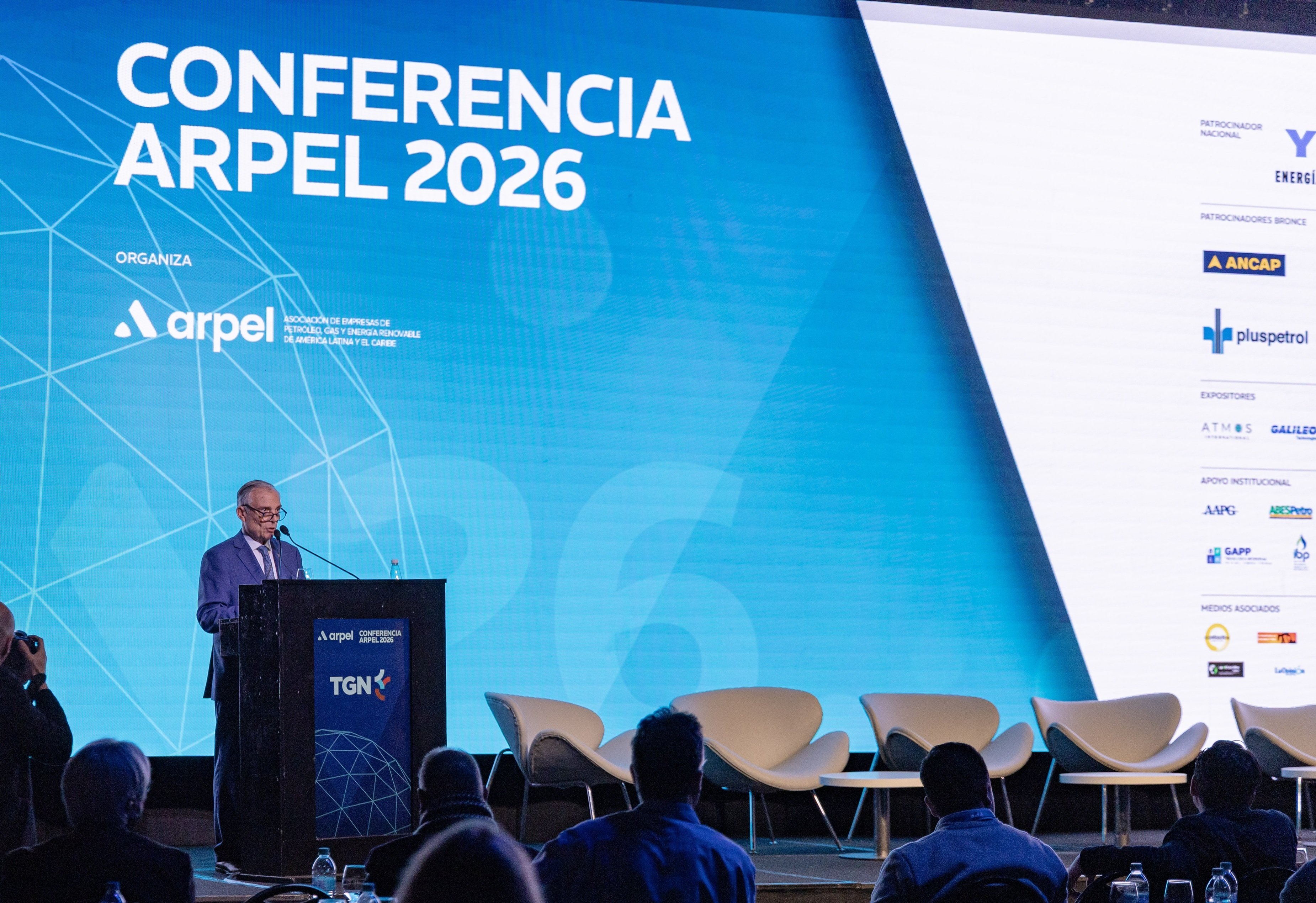
De transición a evolución energética: Arpel cierra su Conferencia 2026 con llamado a políticas de Estado y al gas como eje de descarbonización
La octava Conferencia Arpel concluyó con un llamado a asumir la complejidad del sistema energético... Seguir leyendo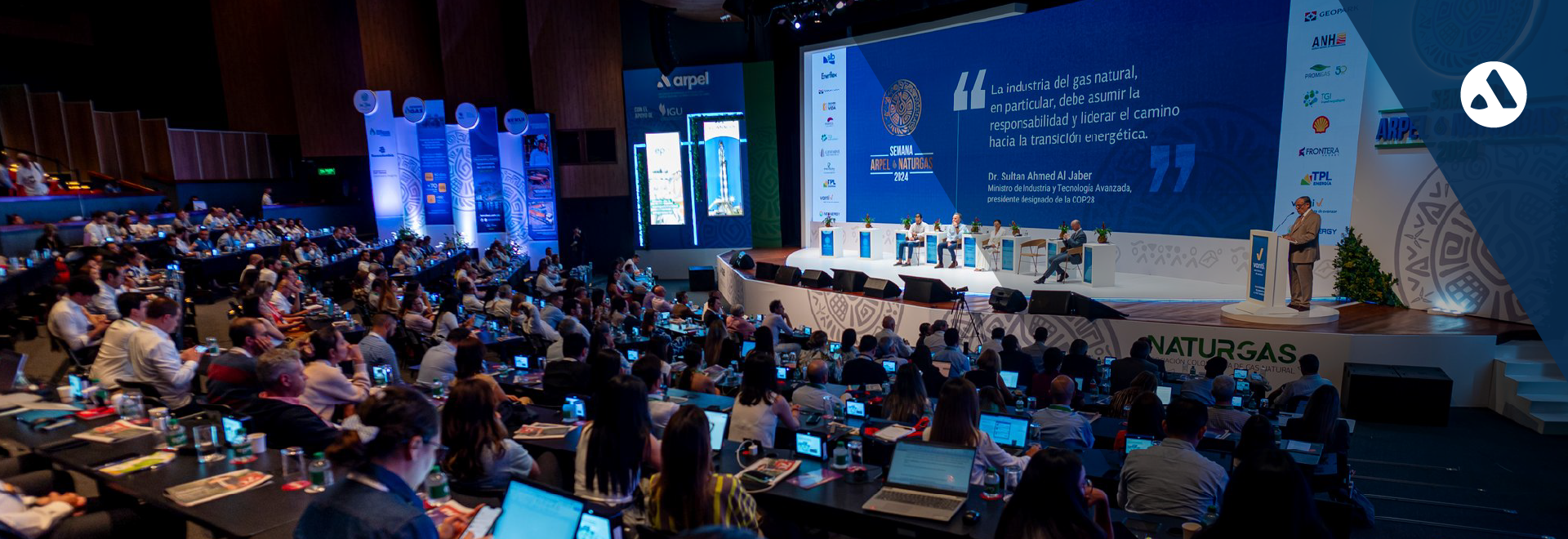
Semana Arpel-Naturgas 2024
Arpel, la Asociación de Empresas de Petróleo, Gas y Energía Renovable de América Latina y el... Más info
Mejorar el desempeño en Seguridad de Procesos
API publicó la tercera edición de la Práctica Recomendada (RP) 754, Indicadores de desempeño de... Más info
Global launch of RETOS™
Launch and live demonstration of the new Web Application of RETOS™ (Readiness Evaluation Tool for... Más info

Gestión de la Energía y Norma ISO 50001
Introducción a la norma ISO 50001, incluyendo los requisitos para establecer, implementar, mantener... Más info
Evaluación de programas para atención de Derrames de Hidrocarburos
En respuesta a las necesidades del sector Arpel desarrolló el Manual RETOS de Evaluación de Planes... Más info
PEGSI | Programa Ejecutivo de Gestión de la Seguridad Industrial para la industria del Petróleo y Gas
Puntos focales clave para una gestión exitosa. Ciclo 2025. Más info
Cursos ITBA - Instituto Tecnológico de Buenos Aires
Escuela de Innovación de el Instituto Tecnológico de Buenos Aires (ITBA) es una de las... Más info