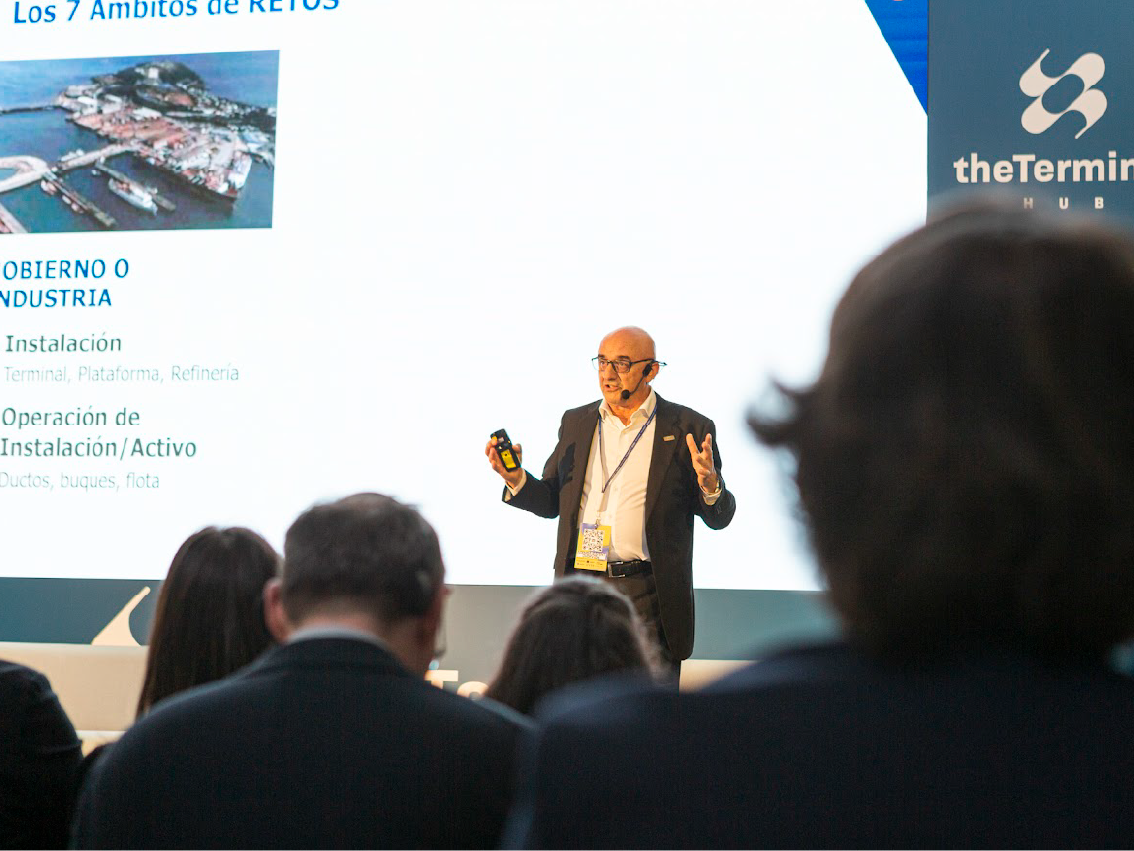
Arpel took part in the International Maritime Emergency Conference (IMEC 2025), held in early November in Valencia, Spain.
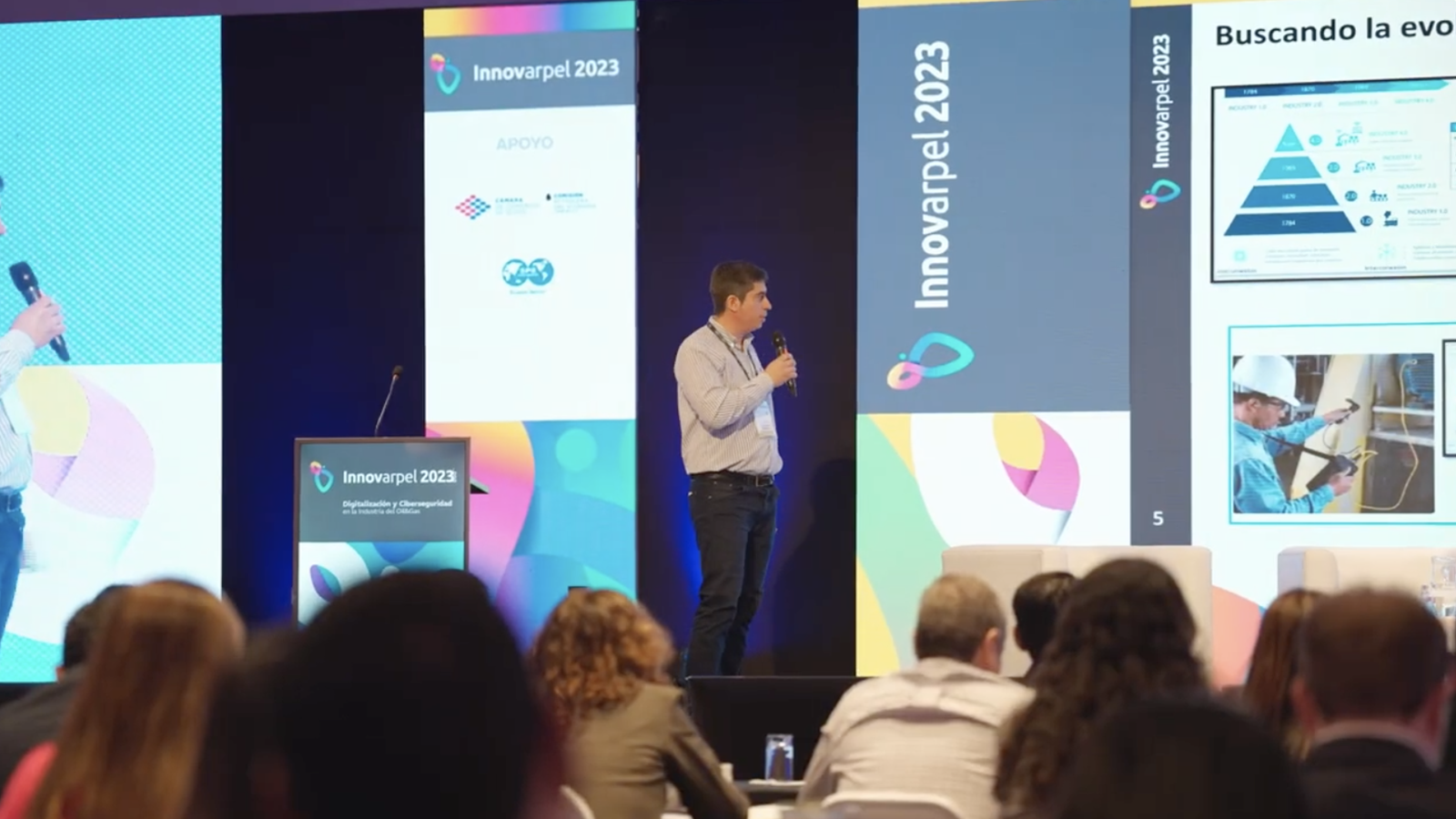
In this context, Miguel Moyano, Arpel’s Senior Advisor, delivered the presentation: “International Trends in Assessing Oil Spill Preparedness and Response Capacity.”
IMEC 2025 brought together leaders from the satellite, maritime, and energy sectors to examine how emerging space technologies are redefining emergency response.
Moyano’s presentation focused on Arpel’s RETOS™ assessment tool and its associated resources, including the “International Guide for Assessing Oil Spill Planning and Preparedness.” https://www.arpel.org/en/publications/assessment-of-oil-spill-response-planning-and-preparedness-international-guide-and-retos-v30
RETOS is currently used in more than 115 countries worldwide.
A key theme of the presentation was the crucial role of monitoring, tracking, and sampling in an effective oil spill response program.
Moyano emphasized the need for robust tools and standardized procedures to detect and characterize spills, monitor the fate and trajectory of released hydrocarbons, and ensure timely and reliable information for response teams, authorities, and affected communities. He highlighted the operational value of integrating environmental monitoring data and forecasting tools to support tactical decision-making.
He also stressed the importance of coordinated overflight operations among response organizations to minimize duplication of efforts, reduce air safety risks associated with operating multiple aircraft in the same area, and improve overall cost-effectiveness.
These components, integrated into the RETOS™ assessment framework, along with other essential elements of an oil spill preparedness and response program, were widely valued by conference participants.
Compartir en las redes