News

Para liberar su potencial energético, América Latina y el Caribe necesitan reglas claras, seguridad jurídica y visión de largo plazo

Para liberar su potencial energético, América Latina y el Caribe necesitan reglas claras, seguridad jurídica y visión de largo plazo

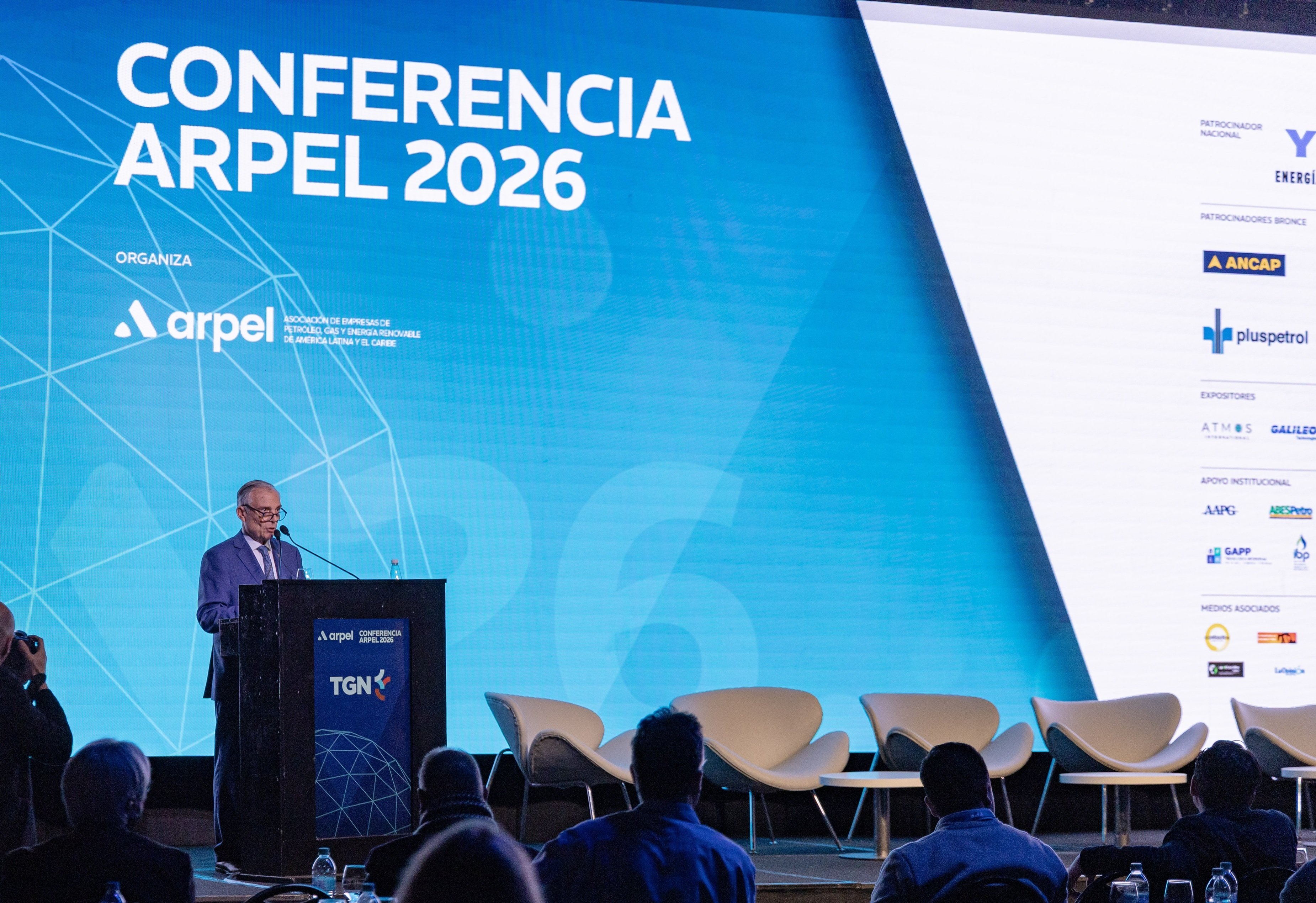
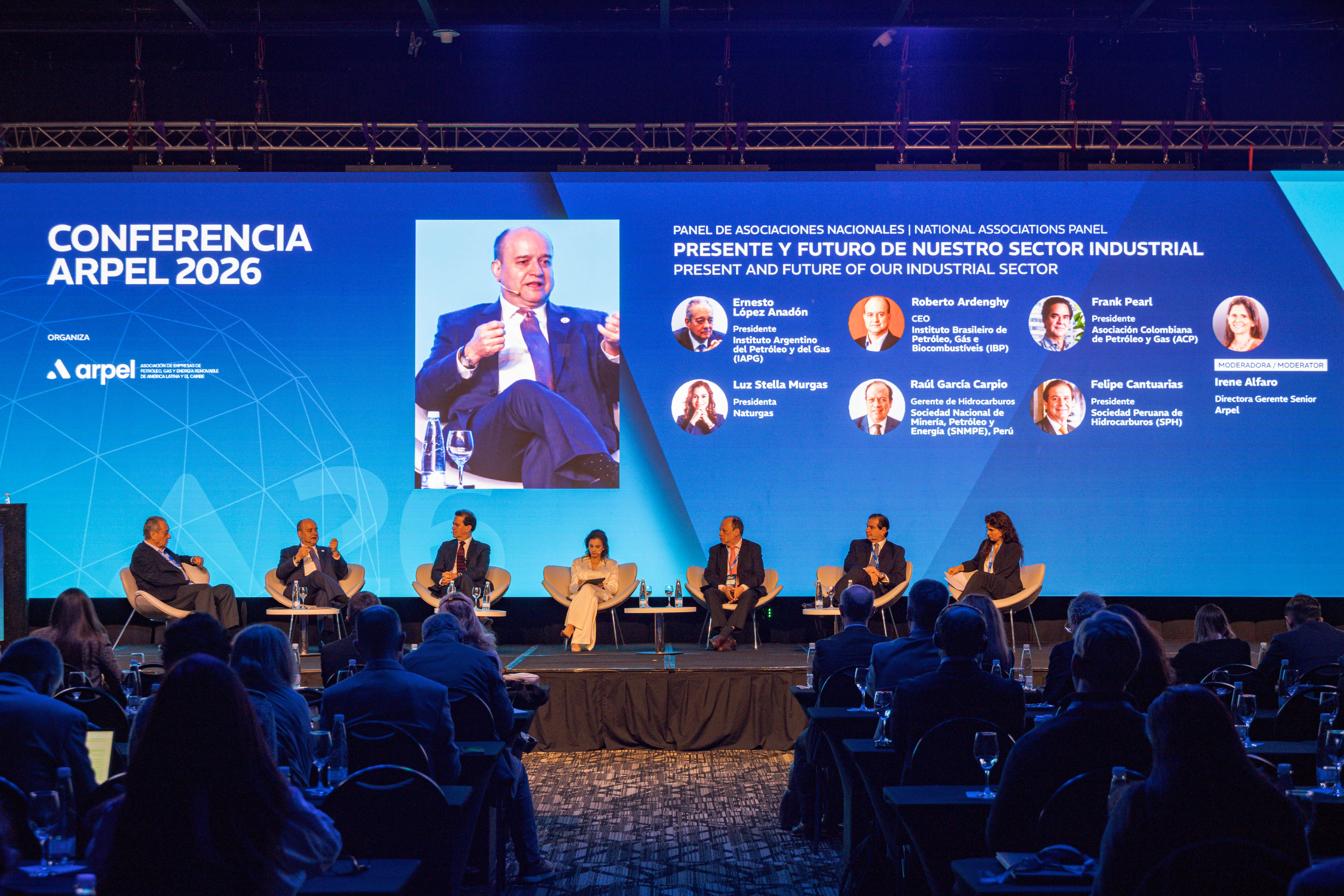
Líderes de asociaciones energéticas de la región advirtieron que la principal barrera para atraer inversiones no es el contexto global, sino la falta de previsibilidad, competitividad y consensos internos, en un escenario donde el potencial energético de América Latina sigue sin traducirse en desarrollo sostenido, en el marco de la tercera jornada de la Conferencia Arpel 2026 que se desarrolla en Buenos Aires.

Frank Pearl, presidente de la Asociación Colombiana de Petróleo y Gas (ACP), sostuvo que “la soberanía nacional se define en gran parte por la soberanía energética” y alertó que “en algunos países habíamos perdido la pelea de la narrativa política”. En la misma línea, Luz Stella Murgas, presidente de Naturgas, señaló que la incertidumbre está “muy asociada a las reglas de juego”, mientras que Roberto Ardenghy, CEO del IBP de Brasil, afirmó que “la industria es muy fuerte y preparada” y que la transición energética “no es un fenómeno únicamente ambiental sino también económico”.

Desde Argentina, Ernesto López Anadón, presidente del IAPG, remarcó que “tenemos que ser extremadamente competitivos” y que el eje es el “respeto al inversor”. Felipe Cantuarias, presidente de la Sociedad Peruana de Hidrocarburos (SPH), advirtió que la inestabilidad política frena el desarrollo, mientras que Raúl García Carpio, Gerente de Hidrocarburos de la Sociedad Nacional de Minería, Petróleo y Energía de Perú (SNMPE), alertó que “desde 2010 no se actualiza la política energética nacional”. En conjunto, los panelistas coincidieron en que, sin reglas estables, seguridad jurídica y visión de largo plazo, la región difícilmente podrá convertir su potencial energético en inversiones concretas y en los países en los que se está implementando la receta correcta, los resultados se están materializando; referido principalmente a Argentina y Brasil.

RIESGOS GLOBALES Y PRESIÓN REGULATORIA MARCAN EL ESCENARIO ENERGÉTICO

Referentes globales del sector están de acuerdo en que el mundo enfrenta un escenario de mayores riesgos geopolíticos y regulatorios, que obliga a sostener inversiones tanto en hidrocarburos como en nuevas tecnologías. Carlos Garibaldi (Arpel) cuestionó enfoques simplistas al afirmar que “la reducción no es solución”, mientras Elizabeth Komiskey (IOGP) pidió una visión más práctica centrada en garantizar el acceso a la energía.

Jennifer Miskimins (SPE) alertó que “estamos experimentando el riesgo ahora mismo”, con un entorno más inestable, mientras Andrea Stegher (International Gas Union) reclamó regulaciones realistas y defendió la sostenibilidad como vía para “reducir la pobreza a través de la energía”. Brian Sullivan (Ipieca), en tanto, advirtió sobre la volatilidad política y destacó la necesidad de recalibrar inversiones, subrayando que no se puede subestimar el rol de la energía en el progreso. En conjunto, el panel coincidió en que la seguridad energética, la estabilidad regulatoria y el pragmatismo serán claves para enfrentar un contexto global cada vez más incierto.

INTELIGENCIA ARTIFICIAL: ENERGÍA, TRABAJO Y RENTABILIDAD

Delfina Arambillet, de Globant, advirtió que el avance de la inteligencia artificial plantea al sector energético el desafío de abastecer una mayor demanda de energía y, al mismo tiempo, lograr que su adopción genere valor real. Señaló que, aunque el 88% de las empresas ya usa IA, solo el 39% ve impacto en su rentabilidad —y muy limitado—, lo que evidencia problemas de implementación más que de acceso. En ese marco, planteó la necesidad de aplicar la IA con estrategia, gobernanza y criterios éticos, y alertó que su avance obliga a rediseñar el trabajo, con humanos enfocados en supervisar sistemas, mientras las empresas aún están rezagadas en adaptar sus modelos para aprovechar su potencial.

FUTURO DEL TRABAJO: JÓVENES, UNIVERSIDADES Y EMPRESAS

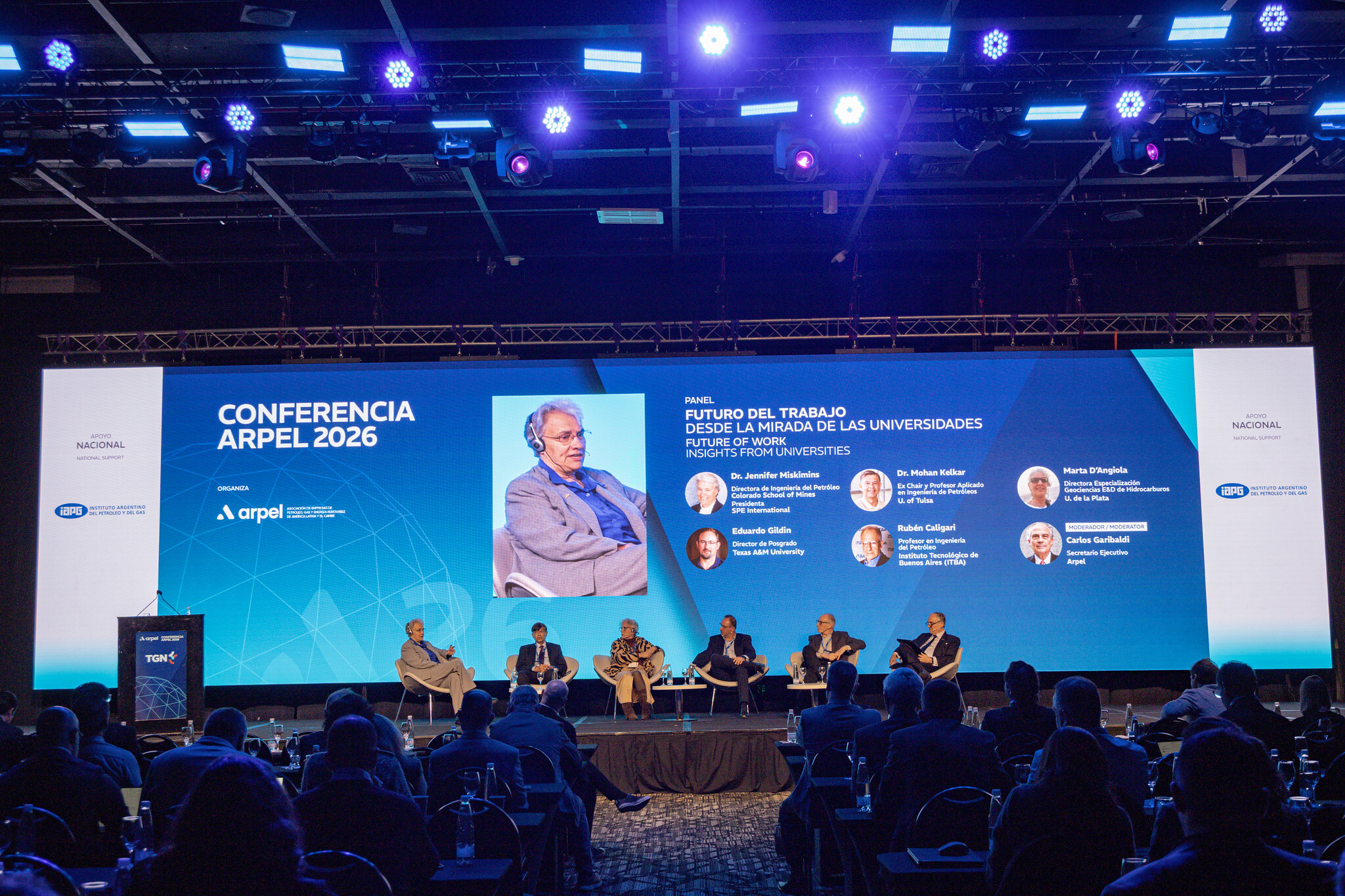
La formación y el empleo de nuevos profesionales en un sector energético en plena transformación tecnológica fueron abordados en tres paneles desde la mirada de universidades, empresas y jóvenes. El auditorio reunió a representantes académicos de cinco universidades, líderes de talento humano y profesionales emergentes, quienes compartieron visiones sobre los desafíos tecnológicos y culturales del futuro laboral en la industria. “Los jóvenes no solo quieren un trabajo, buscan un propósito”, fue una de las principales conclusiones.

RIESGOS CLIMÁTICOS: GESTIÓN, ESTRATEGIA Y RESILIENCIA

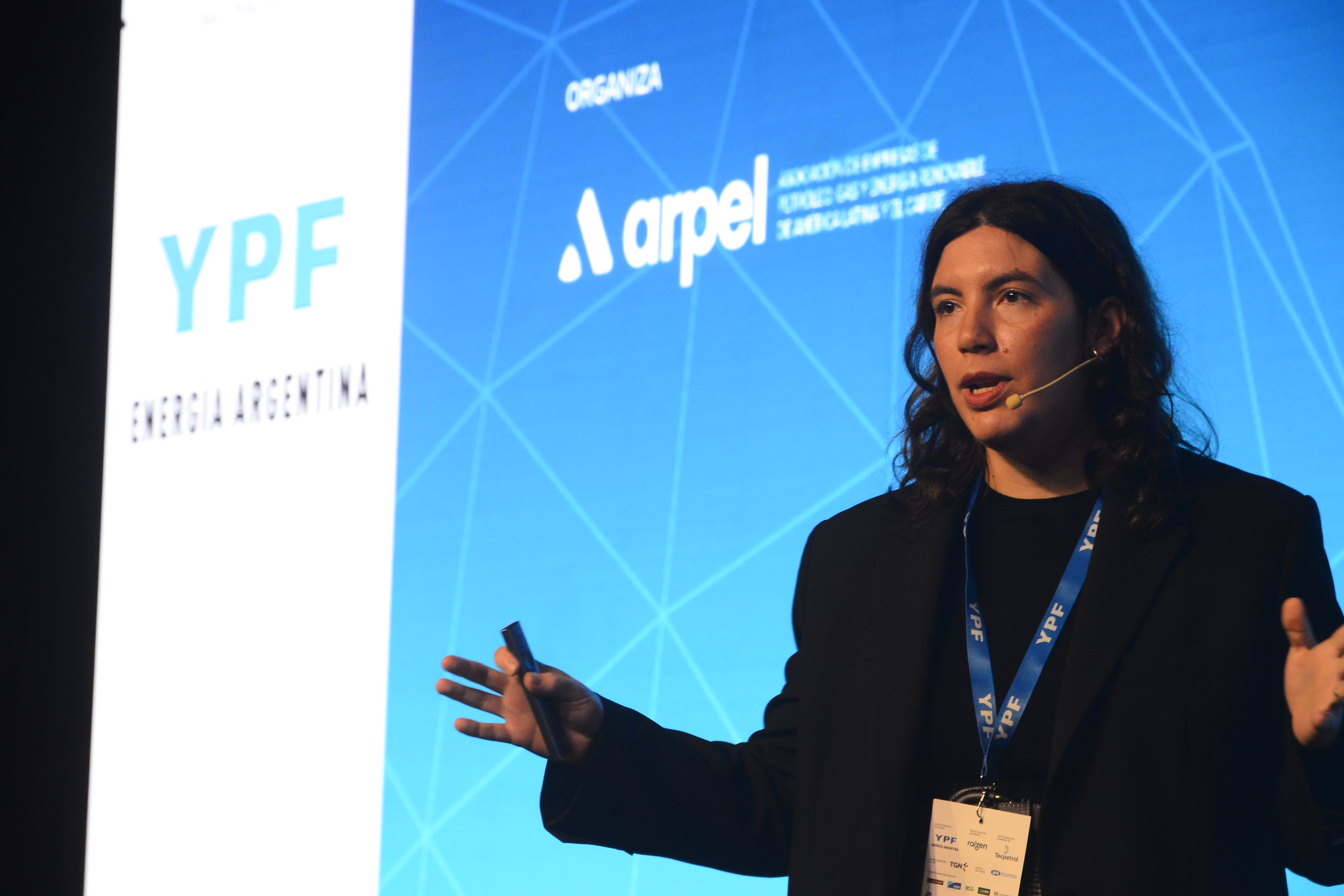
Las empresas energéticas de la región están acelerando la incorporación de riesgos climáticos físicos en sus operaciones, con foco en lluvias extremas, sequías y degradación de infraestructura, coincidieron Diego Agrelo (YPF), Andrés Mendizábal (TGP), Geonavis Hernández (Ecopetrol) y Laura Kennett (Grupo Rosen), durante el panel moderado por Irene Alfaro.

Los panelistas coincidieron en que la resiliencia operativa requiere integrar datos, planificación y decisiones de inversión, priorizando riesgos materiales y fortaleciendo capacidades de monitoreo, predicción y respuesta. Entre las principales recomendaciones destacaron institucionalizar la gestión climática de forma transversal, involucrar a la alta dirección, mejorar la calidad y disponibilidad de datos y utilizar estos análisis como herramientas de gestión para garantizar la continuidad operativa en un contexto climático cada vez más exigente.

Por su parte, en una charla notable, Sandra Carrillo, socia de ERM, sostuvo que los riesgos climáticos ya son un factor estratégico para el sector energético, al incidir en la competitividad, el acceso a financiamiento y las decisiones empresariales, en un contexto donde eventos extremos generan costos crecientes y afectan variables como EBITDA, CAPEX y costo de capital. “Esto no es una proyección futura, es una realidad medible”, afirmó.
 

  • Tags:
    • Security
    • Environment
    • Digitalization
    • Exploration
    • Energy Transitions
    • Sustainability
    • Cybersecurity
    • Occupational Health
    • Supply Chain
    • Human Talent and Knowledge Management
    • Regulation
    • Management
    • Other Energies
    • Transportation
    • Refinement
    • Production
    • Gas
    • Terminals
    • Petrochemicals

Related content

News (4)
Natural Gas and Oil: CEOs Agree on the Challenge of Turning Regional Potential into a Reliable Energy Supply

Gas

Natural Gas and Oil: CEOs Agree on the Challenge of Turning Regional Potential into a Reliable Energy Supply

The debate surrounding oil and natural gas in the region is no longer about the availability of... Read more
Gas Resources Drive a New Phase of Energy Expansion in Latin America and the Caribbean: Decarbonization, Transport, and Socioeconomic Growth

Security, Environment, Digitalization

Gas Resources Drive a New Phase of Energy Expansion in Latin America and the Caribbean: Decarbonization, Transport, and Socioeconomic Growth

Vaca Muerta could become a driving force for regional energy integration, according to the report... Read more
Latin America Becomes the Energy Answer in an Uncertain and Redefining World

Security, Environment, Digitalization

Latin America Becomes the Energy Answer in an Uncertain and Redefining World

The world is looking to Latin America. At the opening of the Arpel 2026 Conference, international... Read more
Geopolitics, Vaca Muerta and the role of natural gas in the region take center stage at Arpel Conference 2026

Security, Environment, Digitalization

Geopolitics, Vaca Muerta and the role of natural gas in the region take center stage at Arpel Conference 2026

In an international context shaped by geopolitical tensions and structural changes in energy... Read more
Events (4)
Arpel-Naturgas Week 2024

Refinement, Terminals, Gas

Arpel-Naturgas Week 2024

Arpel, the Association of Oil, Gas, and Renewable Energy Companies of Latin America and the... More info
Improving Process Safety Performance

Security

Improving Process Safety Performance

API published the third edition of Recommended Practice (RP) 754, Process Safety Performance... More info
Just Energy Transitions in Latin America and the Caribbean

Energy Transitions

Just Energy Transitions in Latin America and the Caribbean

ARPEL Side Event at 26th World Energy Congres : Just Energy Transitions in Latin America and the... More info
Status of Net Zero Reporting in the Latin American Oil and Gas sector

Sustainability

Status of Net Zero Reporting in the Latin American Oil and Gas sector

To present the results of a study focused on establishing a baseline of emissions reporting (scope... More info
courses (4)
EN99: Handling and Management of Industrial Cybersecurity Alerts Applying the ISA/IEC-62443 Standard

Cybersecurity

EN99: Handling and Management of Industrial Cybersecurity Alerts Applying the ISA/IEC-62443 Standard

More info
EN50: Industrial Cybersecurity Management for projects in the Energy, Oil & Gas sector

Cybersecurity

EN50: Industrial Cybersecurity Management for projects in the Energy, Oil & Gas sector

More info
EN60: Cyber Risk Assessment in New and Existing Industrial Systems in Energy, Oil & Gas.

Cybersecurity

EN60: Cyber Risk Assessment in New and Existing Industrial Systems in Energy, Oil & Gas.

More info
EN61: Design and Implementation of Cybersecurity Recommendations in Zones and Conduits

Cybersecurity

EN61: Design and Implementation of Cybersecurity Recommendations in Zones and Conduits

More info
Publications (4)
Arpel upper management report on climate change COP27

Production

Arpel upper management report on climate change COP27

This report summarizes the main conclusions from the 27th Conference of the Parties to the United... More info
Just Energy Transitions in Latin America and the Caribbean

Energy Transitions

Just Energy Transitions in Latin America and the Caribbean

This document describes the consensual position of Arpel member companies regarding the concept of... More info
Industrial Cybersecurity Maturity Benchmarking in the oil and gas industry for Latin America and the Caribbean

Cybersecurity

Industrial Cybersecurity Maturity Benchmarking in the oil and gas industry for Latin America and the Caribbean

This manual provides a general description of the methodology developed by Arpel to carry out the... More info
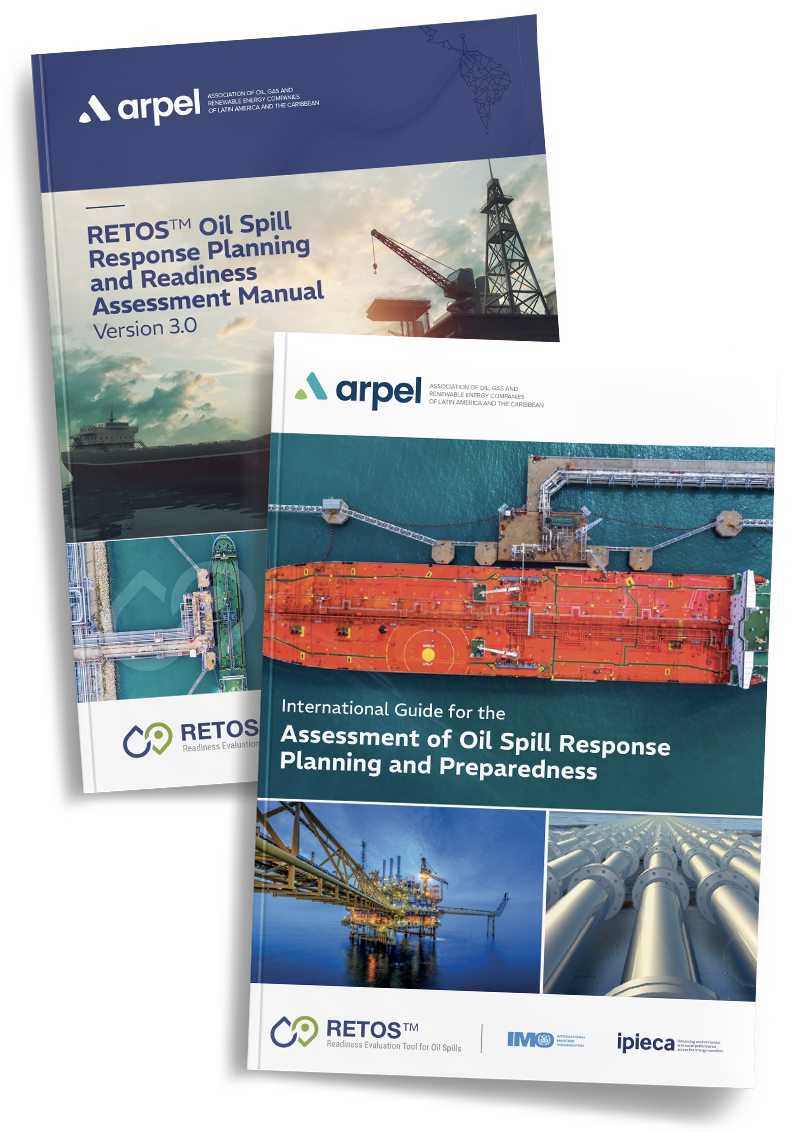
Assessment of Oil Spill Response Planning and Preparedness: International Guide and RETOS V3.0

Production

Assessment of Oil Spill Response Planning and Preparedness: International Guide and RETOS V3.0

The International Guide for the Assessment of Oil Spill Response Planning and Preparedness provides... More info
Arpel Channel (4)
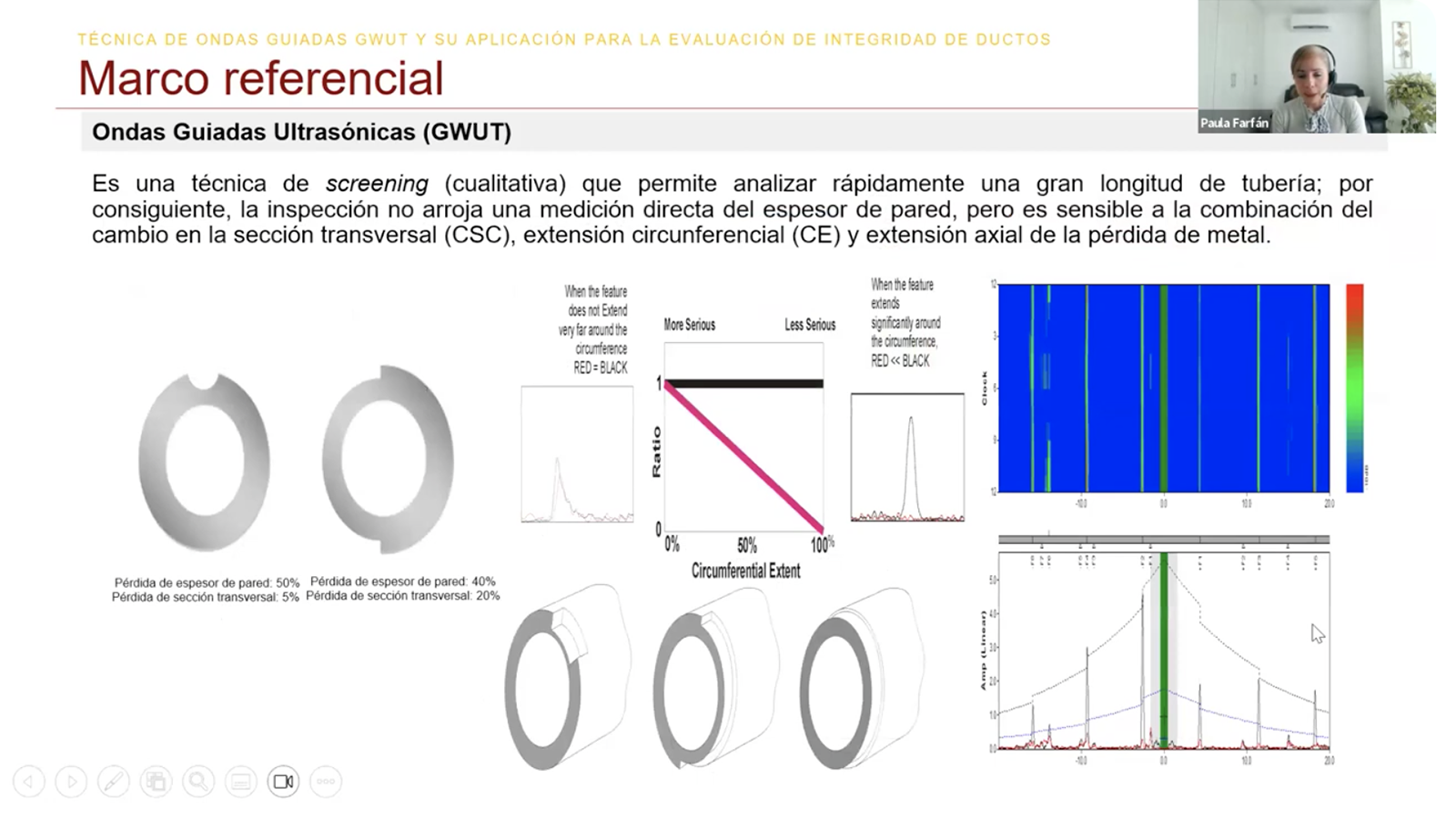
Webinar Guided Wave Ultrasonic Testing (GWUT) Technique. Application for Pipeline Integrity Assessment

Terminals, Transportation, Refinement

Webinar Guided Wave Ultrasonic Testing (GWUT) Technique. Application for Pipeline Integrity Assessment

Watch video
Arpel-Naturgas Week 2024 - April 8th to 12th in Cartagena de Indias

Environment, Energy Transitions, Sustainability

Arpel-Naturgas Week 2024 - April 8th to 12th in Cartagena de Indias

Watch video
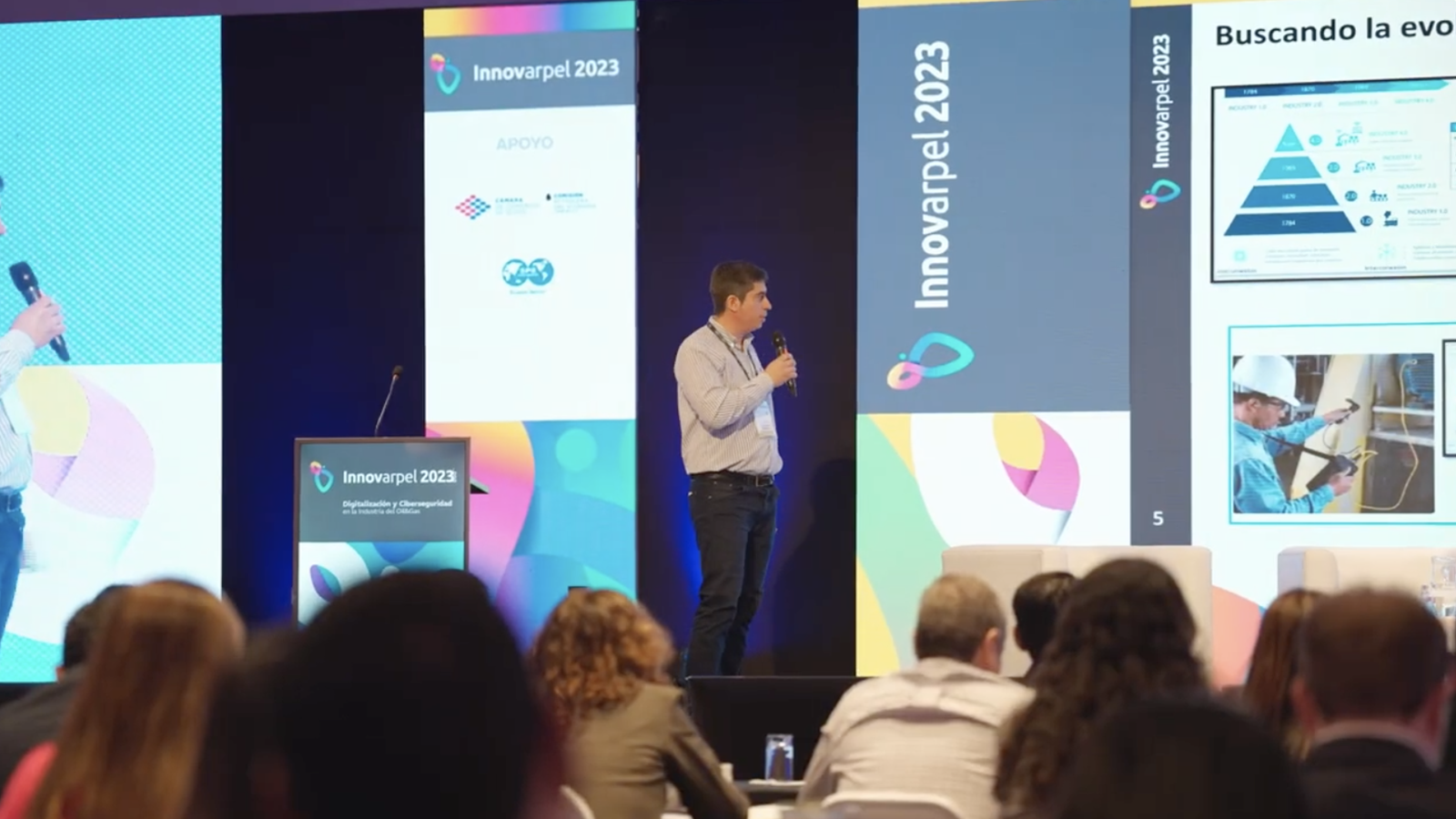
Innovarpel 2023, first edition of a technical event dedicated to Digitalization and Cybersecurity

Digitalization, Cybersecurity, Supply Chain

Innovarpel 2023, first edition of a technical event dedicated to Digitalization and Cybersecurity

Watch video
VIDEO SUMMARY: Arpel-Naturgas Week 2024. From April 8th to April 12th in Cartagena de Indias, Colombia

Environment, Energy Transitions, Sustainability

VIDEO SUMMARY: Arpel-Naturgas Week 2024. From April 8th to April 12th in Cartagena de Indias, Colombia

Watch video

Receive a summary of the main activities of the Association by e-mail.

Arpel Newsletter

SUBSCRIBE

ASSOCIATION OF OIL, GAS AND RENEWABLE ENERGY COMPANIES OF LATIN AMERICA AND THE CARIBBEAN

Av. Luis A. de Herrera 1248, WTC, Tower 2, 7th Floor, Office 717. Montevideo, Uruguay.
Phone: (+598) 2623 6993 – Email: info@arpel.org.uy

Contact Us