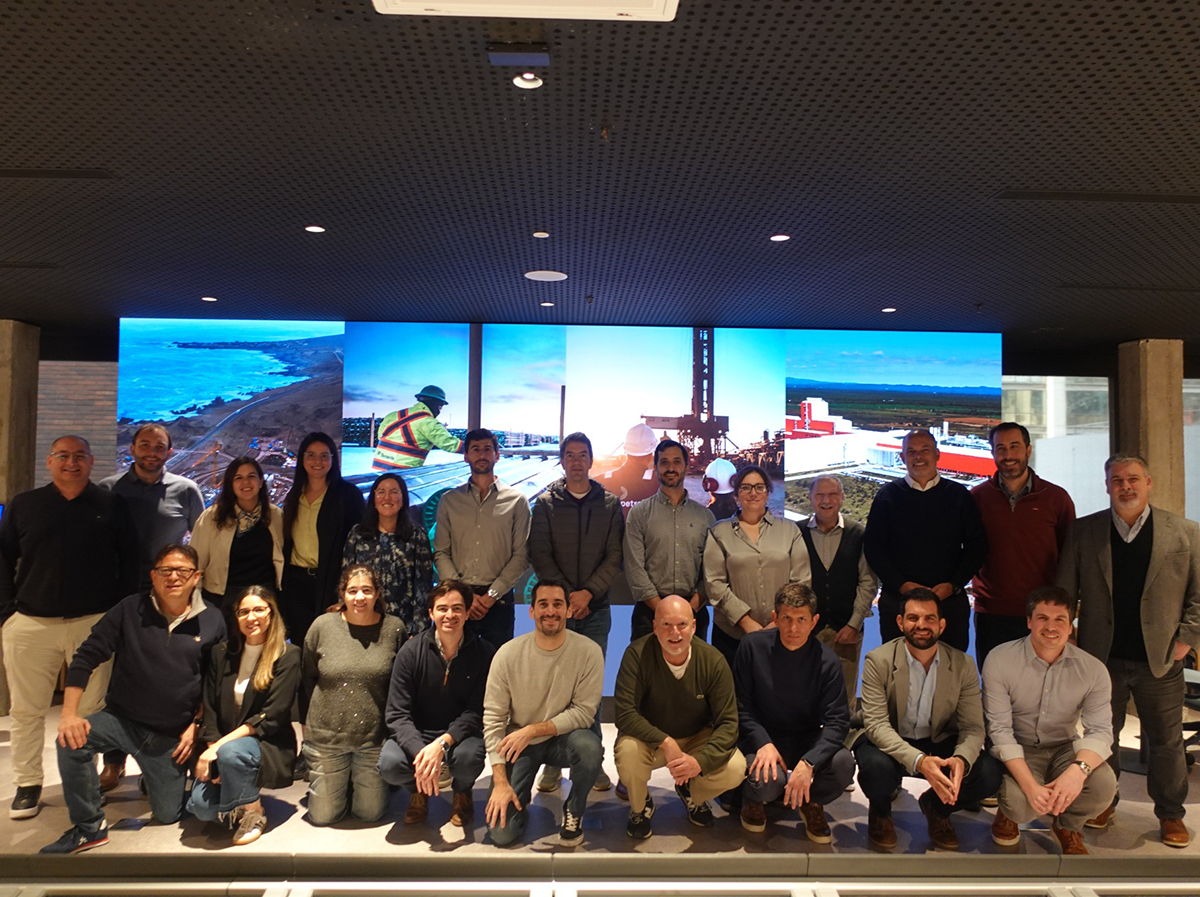
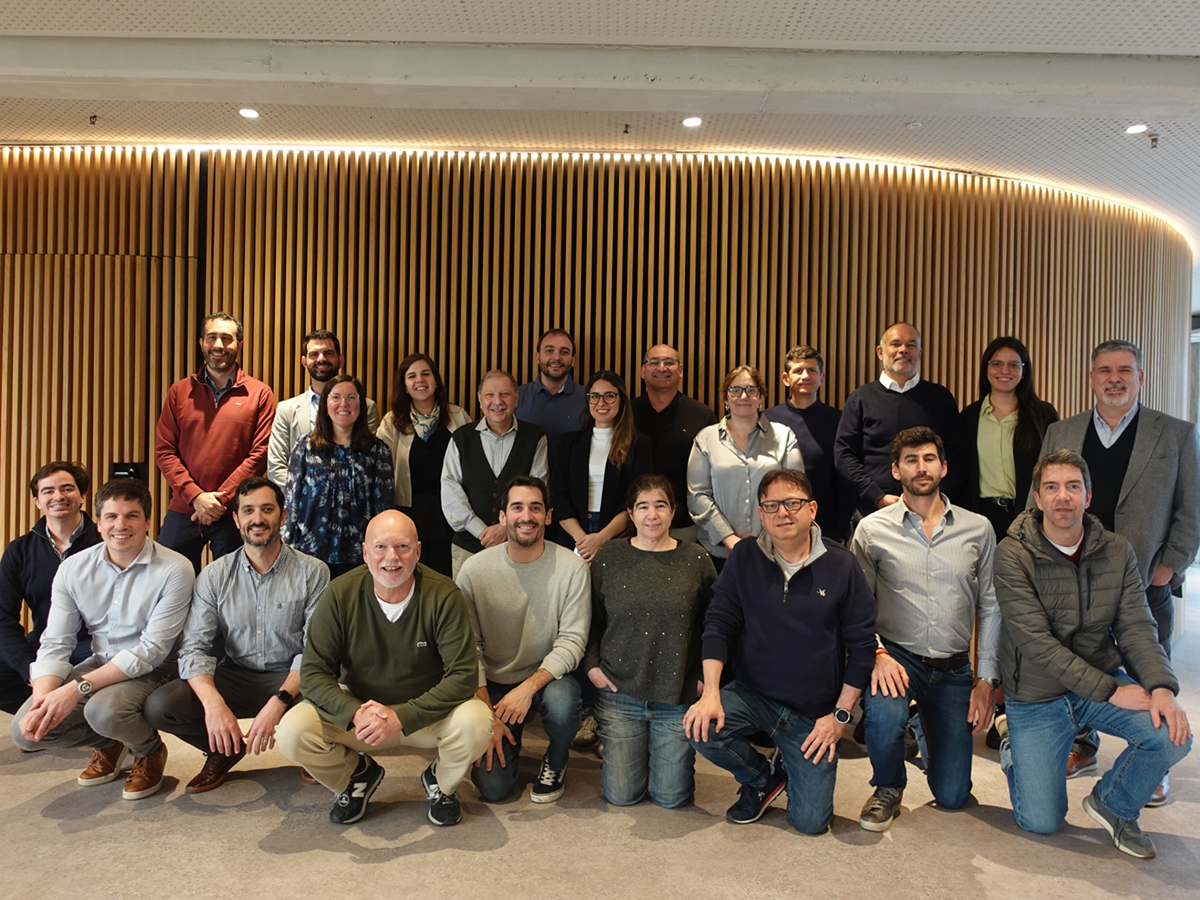
Buenos Aires hosted the first edition of “Negotiation in Brief”, developed by Arpel together with instructor Guillermo Jalfin, a practical training program focused on developing negotiation tools and capabilities for the energy sector. With the support of Tecpetrol as host company, the activity brought together 21 professionals from Argentina, Uruguay and Peru and opened a new line of in-person training that Arpel plans to extend to other countries in the region over the coming year.
The 2026 edition, held at the Techint Training and Convention Center, brought together representatives from ANCAP, PAMAR, Manpetrol, LAMOR, Quintana, GeoPark, Pan American Energy, Raízen and Tecpetrol.
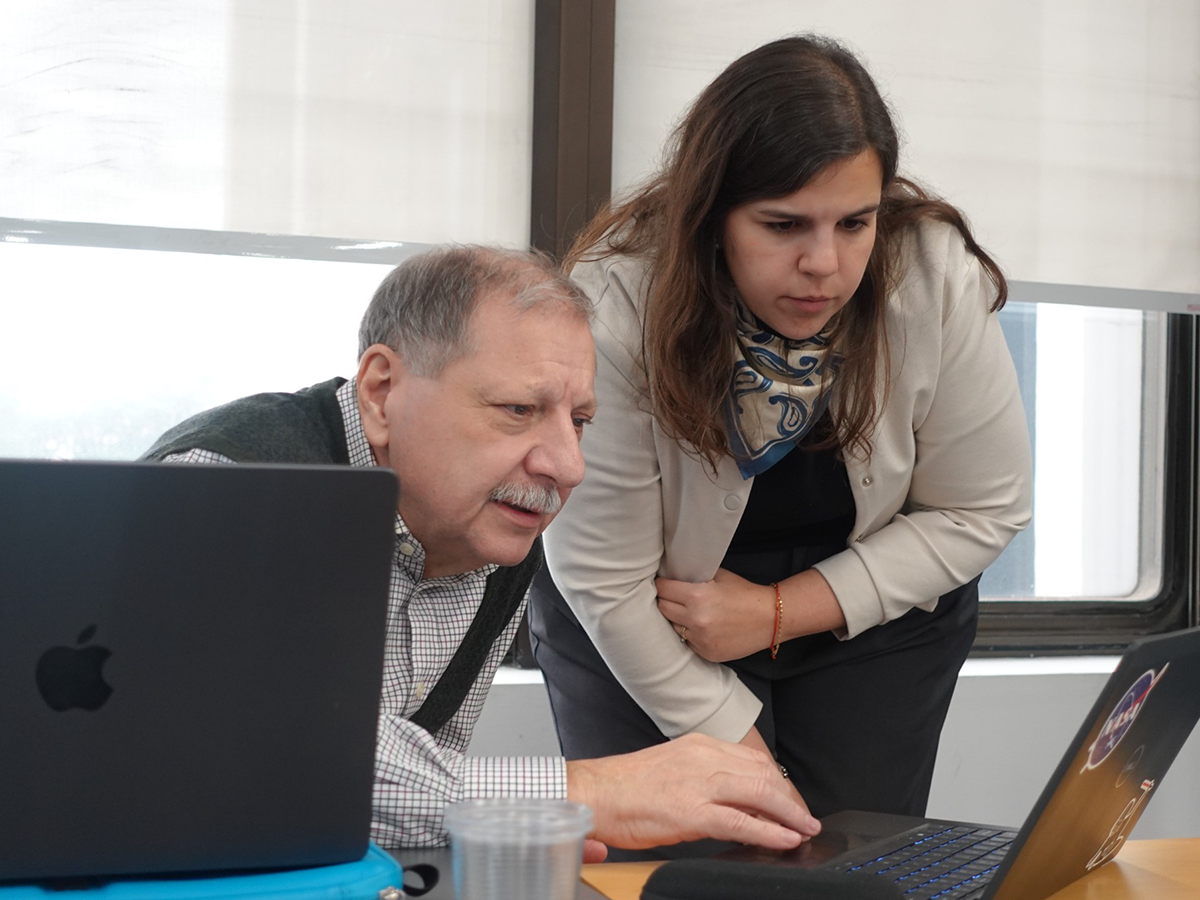
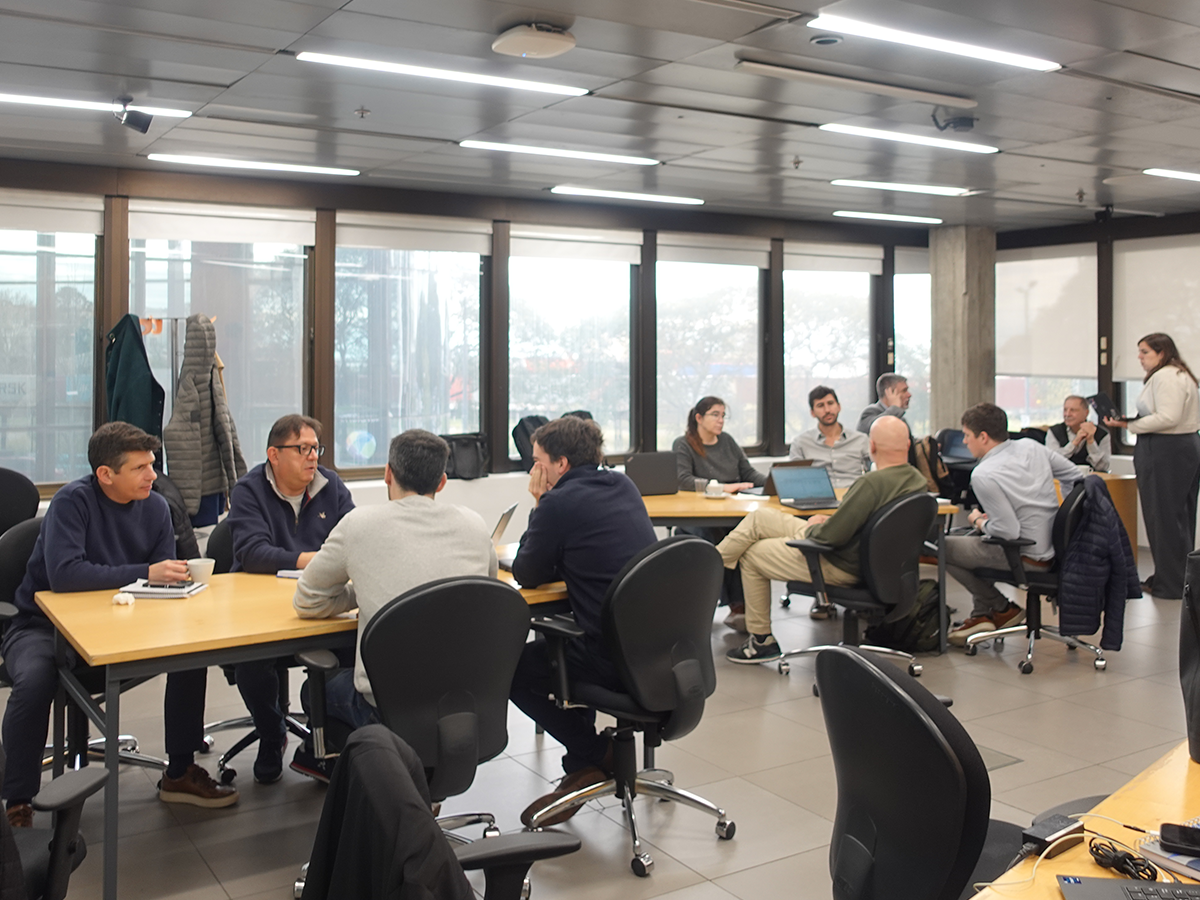
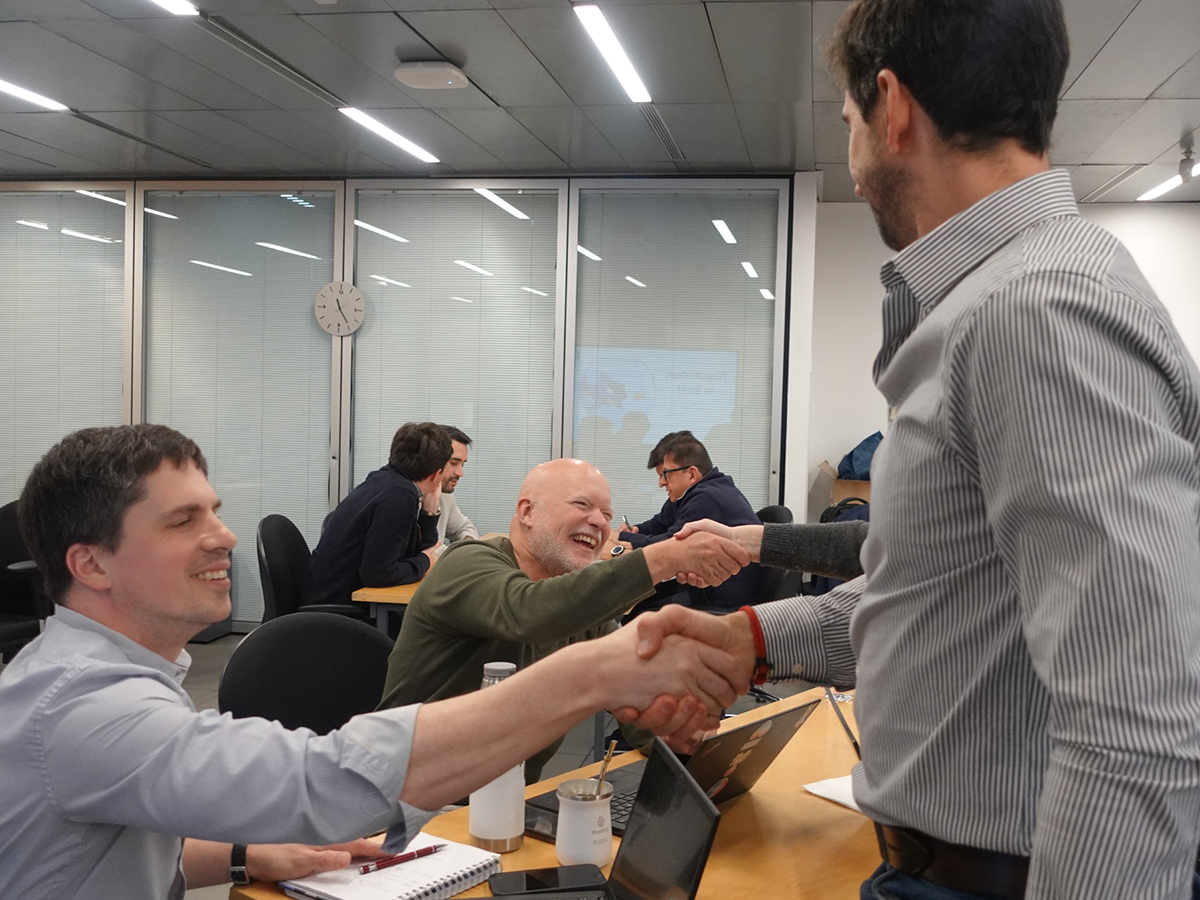
Over three days of work, participants combined conceptual foundations, preparation tools, negotiation strategies and tactics with practical exercises, role-playing, case analysis and a final simulation of a complex multilateral negotiation.
A methodology based on preparation and practice
“Negotiation in Brief” is based on a central premise: negotiation is not simply about obtaining concessions, but about creating value, protecting the organization’s interests and building sustainable agreements for the parties involved.
To this end, the program approaches negotiation as a structured process that begins well before sitting at the table. Preparation includes defining objectives, alternatives, non-negotiable limits, possible scenarios in which an agreement may break down, and analyzing the different stakeholders who may influence the outcome.
One of the key elements of the program is the “Negotiation Road Map”, a tool that sets out an organized sequence for analyzing, designing and executing a negotiation. Within this framework, concepts such as BATNA (Best Alternative to a Negotiated Agreement) are explored to identify the best available alternative if no agreement is reached, as well as ZOPA (Zone of Possible Agreement), to determine the space in which a real possibility of agreement exists between the parties.
The program also addresses the so-called “Deals Recipe”, together with different negotiation styles and tactics, stakeholder analysis and the formation of high-performance negotiation teams.
The methodology recognizes that negotiation is not solely an individual task. The selection of team members, the definition of roles and responsibilities, and alignment around common objectives can directly influence the outcome.
The importance of adapting negotiation to each context
Another aspect addressed during the course is the idea that there is no single negotiation style that is valid for every situation.
The program proposes adapting negotiating behavior to the context, the profile of the counterpart and the objectives at hand.
This is complemented by stakeholder analysis, taking into account their interests, levels of influence and expectations.
Early identification of these factors makes it possible to anticipate risks, align positions and manage potential conflicts that may affect the development or outcome of a negotiation.
In this way, the methodology seeks to integrate different dimensions of negotiation: economic outcomes, the relationship between the parties, the risks associated with the agreement and the sustainability of commercial relationships.
First regional experience in Buenos Aires
The edition held in Buenos Aires brought this methodology to a group of professionals from three countries in the region and from different companies connected to the oil and gas sector.
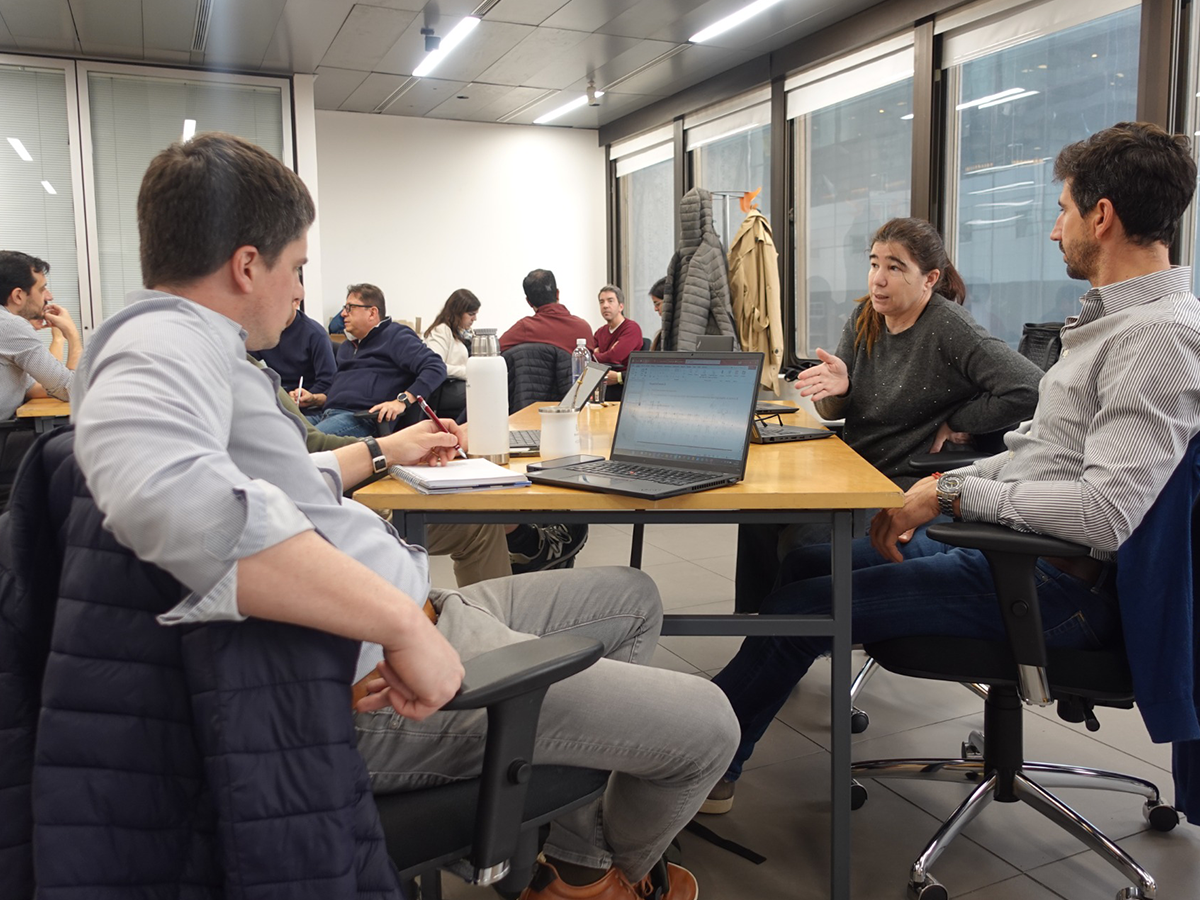
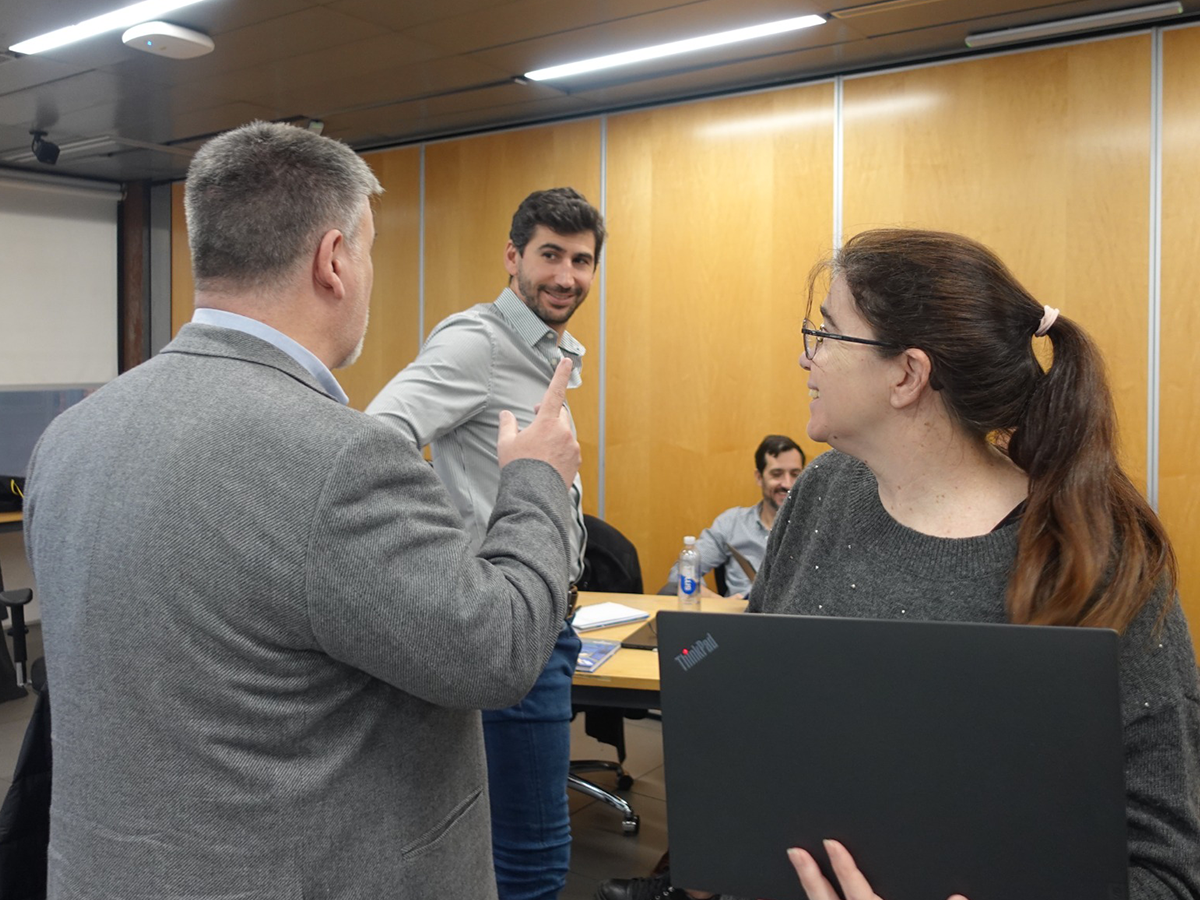
The in-person, small-group format encouraged the exchange of experiences and allowed participants to work closely with the instructor on the situations presented throughout the sessions.
The diversity of participating companies and profiles also contributed different perspectives on negotiation processes within the energy industry.
In this regard, “Negotiation in Brief” seeks to contribute to the development of negotiation teams capable of driving efficiency, collaboration and profitability, incorporating tools to design agreements and contracts that support long-term commercial relationships.
This approach is aligned with Arpel’s Operational Excellence strategic vector, particularly its objective of promoting management optimization and facilitating the exchange of knowledge and experiences among professionals and organizations in the sector.
The program is delivered by Guillermo Jalfin, CEO of Lighthouse Energy, a strategist and negotiator with more than 40 years of experience in the global oil and gas sector.
Throughout his career, Jalfin has led complex negotiations with major corporations, governments and financial institutions, in addition to participating in the design of corporate strategies and business models. He has also held executive positions and led multidisciplinary and multicultural teams.
Towards new editions in Northern Latin America
The experience developed in Buenos Aires provides a foundation for the regional expansion of the program.
Following this edition, Arpel plans to bring “Negotiation in Brief” to countries in Northern Latin America during the first quarter of 2027.
In this way, Arpel seeks to continue creating in-person spaces for training and exchange among professionals from different companies and countries, bringing specialized tools closer to organizations in the energy sector across Latin America and the Caribbean.
Compartir en las redes