News

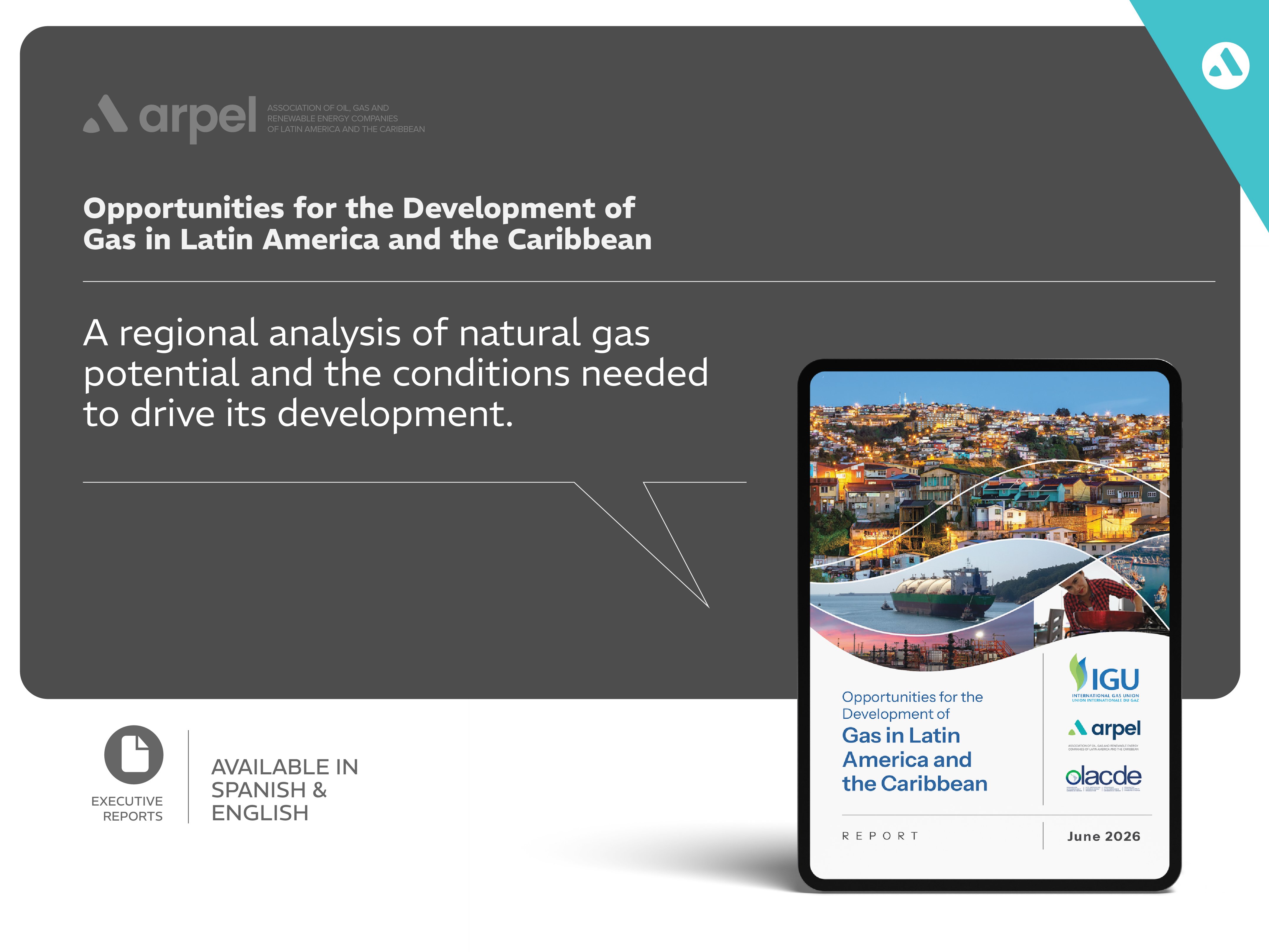
Recursos de gas posicionan a América Latina y el Caribe en una nueva fase de expansión energética: descarbonización, transporte y crecimiento socioeconómico

Recursos de gas posicionan a América Latina y el Caribe en una nueva fase de expansión energética: descarbonización, transporte y crecimiento socioeconómico

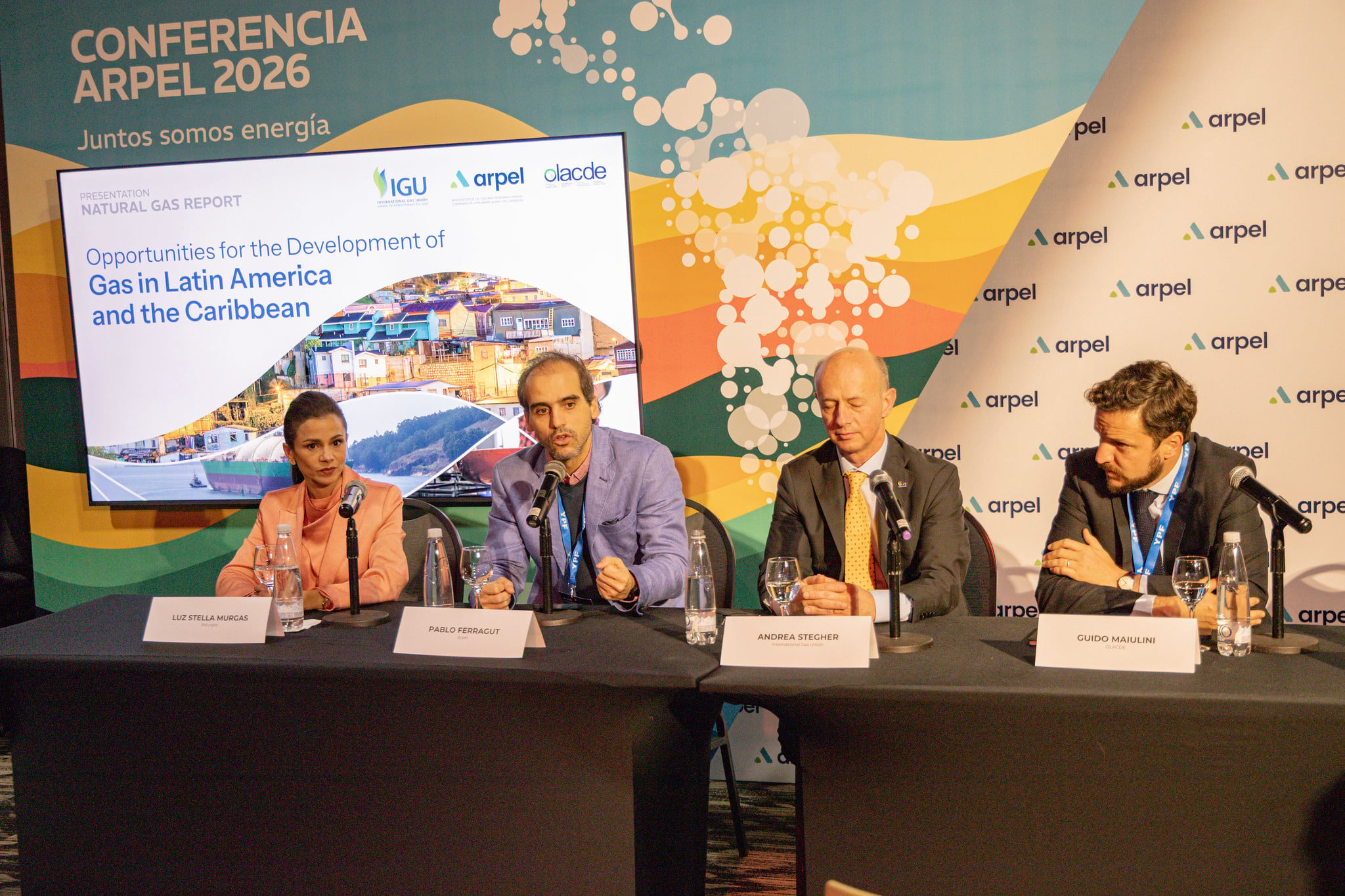
El documento ha sido elaborado conjuntamente por la Unión Internacional del Gas (IGU), la Asociación de Empresas de Petróleo, Gas y Energía Renovable de América Latina y el Caribe (ARPEL) y la Organización Latinoamericana y Caribeña de Energía (OLACDE).

El reporte detalla que América Latina y el Caribe tienen un gran potencial geológico con vastos recursos energéticos. Sin embargo, en 2024 representaron solo el 5% de la producción mundial de gas, según el reporte que se presentó en exclusiva este martes. Para reducir esta brecha y avanzar en la integración energética regional, el documento estima que se requerirán inversiones superiores a los US$ 10.000 millones destinadas a la construcción y ampliación de gasoductos de integración.

Al mismo tiempo, se advierte que para monetizar las reservas, movilizar capital público y privado y contar con mecanismos de financiación mixta y el apoyo de bancos multilaterales de desarrollo, es esencial que los marcos jurídicos y las reglas del sector trasciendan los ciclos políticos y los cambios de gobierno.

A su vez, el reporte plantea que las reservas de Vaca Muerta, junto con otros proyectos marítimos convencionales y los yacimientos presalinos de Brasil, podrían iniciar una nueva fase de expansión energética en el Cono Sur. A esto se suman la producción consolidada de países como Venezuela, Bolivia, Perú y Trinidad y Tobago, así como nuevos frentes exploratorios en Guyana y Surinam.

Este avance podría generar beneficios directos para Argentina al reducir sus importaciones de GNL y aumentar sus exportaciones, con el potencial de convertirse en un actor de peso en el mercado mundial de GNL. A nivel regional, el gas argentino impulsaría la reindustrialización de Brasil con precios competitivos, permitiría a Bolivia monetizar su infraestructura ociosa mediante peajes de transporte, y ofrecería a Chile y Uruguay una alternativa más económica que el GNL importado.

El rol del gas en la descarbonización

El reporte sostiene que el gas permite reducir rápidamente las emisiones al sustituir a los combustibles con mayor intensidad de carbono en la generación térmica. Según el informe del IPCC, el uso del gas permite reducir las emisiones de gases de efecto invernadero en aproximadamente un 24%, un 28% y un 42% por unidad de energía primaria al sustituir al diésel, el fuel oil y el carbón en la generación de electricidad, respectivamente.

Además, el gas actúa como el respaldo indispensable para las energías renovables variables (solar y eólica), especialmente ante crisis hídricas como ocurrió en Brasil en 2021, donde la generación de gas tuvo que duplicarse para evitar cortes de suministro.

Esta sustitución es especialmente relevante en varios países de América Central y el Caribe, donde los sistemas eléctricos siguen dependiendo en gran medida de los derivados del petróleo. Países como Granada, Haití, Barbados, Cuba, Nicaragua, Belice, Guyana y Surinam dependen de estos combustibles líquidos para más del 50% de su producción de electricidad. En estos sistemas, el cambio al gas puede aportar beneficios medioambientales y económicos inmediatos sin requerir grandes cambios estructurales en el funcionamiento del sistema eléctrico.

El rol del gas en el transporte

En el sector del transporte pesado, el cambio hacia el Gas Natural Comprimido (GNC) y Gas Natural Licuado (GNL) ofrece una reducción de emisiones del 20%, presentándose como una solución comercialmente disponible para avanzar en la descarbonización del sector. Si bien combustibles bajos en carbono como el metanol, el amoníaco y el hidrógeno presentan un potencial prometedor a futuro, el reporte señala que tanto las tecnologías como la infraestructura necesaria para su desarrollo, enfrentan desafíos de madurez y escalabilidad.

Desde la perspectiva de la oferta, la monetización de las reservas de gas de la región puede impulsar el crecimiento económico, fortalecer la balanza comercial mediante el aumento de las exportaciones y la reducción de las importaciones, y apoyar el desarrollo social al ampliar el acceso a una energía más limpia, asequible y fiable.

Un ejemplo concreto es lo que ocurrió en Colombia, donde el Índice de Pobreza Energética Multidimensional (IMPE), elaborado por Promigas, indica que entre 2022 y 2024 la incidencia de la pobreza energética en el país disminuyó del 16,9% al 15,4%, lo que equivale a 300.000 personas, demostrando que el acceso a energía asequible mejora directamente la calidad de vida.

Además, la integración de gases renovables como el biometano puede fortalecer el desarrollo local, generar oportunidades de ingresos en las zonas rurales, mejorar la gestión de residuos y reducir las emisiones, al tiempo que se aprovecha la infraestructura existente.

Sobre el reporte "Oportunidades para el desarrollo del gas en América Latina y el Caribe"

El objetivo del informe es contribuir de manera constructiva al diálogo internacional sobre energía, destacando el papel que el gas puede desempeñar para apoyar la transición energética de la región, fortalecer la seguridad energética y fomentar el desarrollo socioeconómico sostenible.

Su elaboración ha contado con consultas a empresas líderes del sector, asociaciones nacionales de gas y expertos regionales, lo que refleja una amplia perspectiva de la industria sobre las oportunidades y los retos a los que se enfrenta el sector del gas en la región.

  • Tags:
    • Security
    • Environment
    • Digitalization
    • Exploration
    • Energy Transitions
    • Sustainability
    • Cybersecurity
    • Occupational Health
    • Supply Chain
    • Human Talent and Knowledge Management
    • Regulation
    • Management
    • Other Energies
    • Transportation
    • Refinement
    • Production
    • Gas
    • Terminals
    • Petrochemicals

Related content

News (4)
Latin America Becomes the Energy Answer in an Uncertain and Redefining World

Security, Environment, Digitalization

Latin America Becomes the Energy Answer in an Uncertain and Redefining World

The world is looking to Latin America. At the opening of the Arpel 2026 Conference, international... Read more
Geopolitics, Vaca Muerta and the role of natural gas in the region take center stage at Arpel Conference 2026

Security, Environment, Digitalization

Geopolitics, Vaca Muerta and the role of natural gas in the region take center stage at Arpel Conference 2026

In an international context shaped by geopolitical tensions and structural changes in energy... Read more
The 8th Arpel Conference 2026 to be held in Buenos Aires

Security, Environment, Digitalization

The 8th Arpel Conference 2026 to be held in Buenos Aires

From June 1 to 4, the Hilton Buenos Aires Hotel will host this regional dialogue forum for the oil... Read more
Arpel welcomes Rystad Energy as a new cooperating member

Environment, Energy Transitions, Digitalization

Arpel welcomes Rystad Energy as a new cooperating member

Rystad Energy has joined Arpel as a new member. Rystad Energy provides independent data, analytics,... Read more
Events (4)
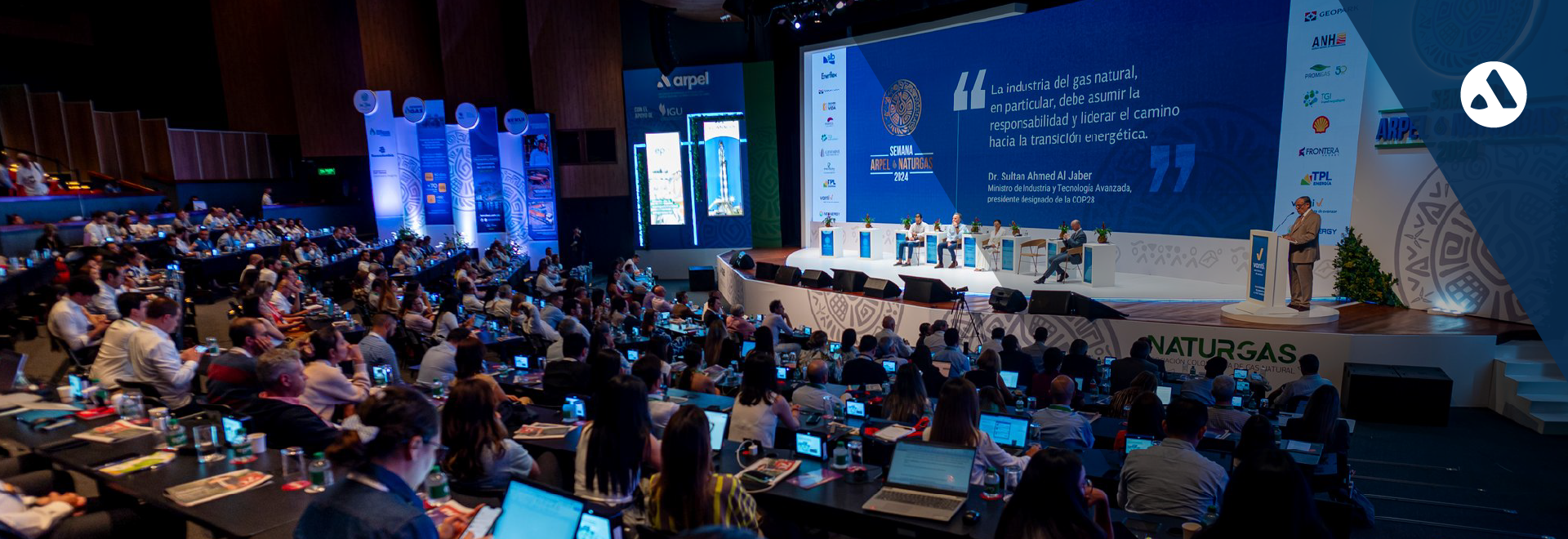
Arpel-Naturgas Week 2024

Refinement, Terminals, Gas

Arpel-Naturgas Week 2024

Arpel, the Association of Oil, Gas, and Renewable Energy Companies of Latin America and the... More info
Improving Process Safety Performance

Security

Improving Process Safety Performance

API published the third edition of Recommended Practice (RP) 754, Process Safety Performance... More info
Just Energy Transitions in Latin America and the Caribbean

Energy Transitions

Just Energy Transitions in Latin America and the Caribbean

ARPEL Side Event at 26th World Energy Congres : Just Energy Transitions in Latin America and the... More info
Status of Net Zero Reporting in the Latin American Oil and Gas sector

Sustainability

Status of Net Zero Reporting in the Latin American Oil and Gas sector

To present the results of a study focused on establishing a baseline of emissions reporting (scope... More info
courses (4)
EN99: Handling and Management of Industrial Cybersecurity Alerts Applying the ISA/IEC-62443 Standard

Cybersecurity

EN99: Handling and Management of Industrial Cybersecurity Alerts Applying the ISA/IEC-62443 Standard

More info
EN50: Industrial Cybersecurity Management for projects in the Energy, Oil & Gas sector

Cybersecurity

EN50: Industrial Cybersecurity Management for projects in the Energy, Oil & Gas sector

More info
EN60: Cyber Risk Assessment in New and Existing Industrial Systems in Energy, Oil & Gas.

Cybersecurity

EN60: Cyber Risk Assessment in New and Existing Industrial Systems in Energy, Oil & Gas.

More info
EN61: Design and Implementation of Cybersecurity Recommendations in Zones and Conduits

Cybersecurity

EN61: Design and Implementation of Cybersecurity Recommendations in Zones and Conduits

More info
Publications (4)
Arpel upper management report on climate change COP27

Production

Arpel upper management report on climate change COP27

This report summarizes the main conclusions from the 27th Conference of the Parties to the United... More info
Just Energy Transitions in Latin America and the Caribbean

Energy Transitions

Just Energy Transitions in Latin America and the Caribbean

This document describes the consensual position of Arpel member companies regarding the concept of... More info
Industrial Cybersecurity Maturity Benchmarking in the oil and gas industry for Latin America and the Caribbean

Cybersecurity

Industrial Cybersecurity Maturity Benchmarking in the oil and gas industry for Latin America and the Caribbean

This manual provides a general description of the methodology developed by Arpel to carry out the... More info
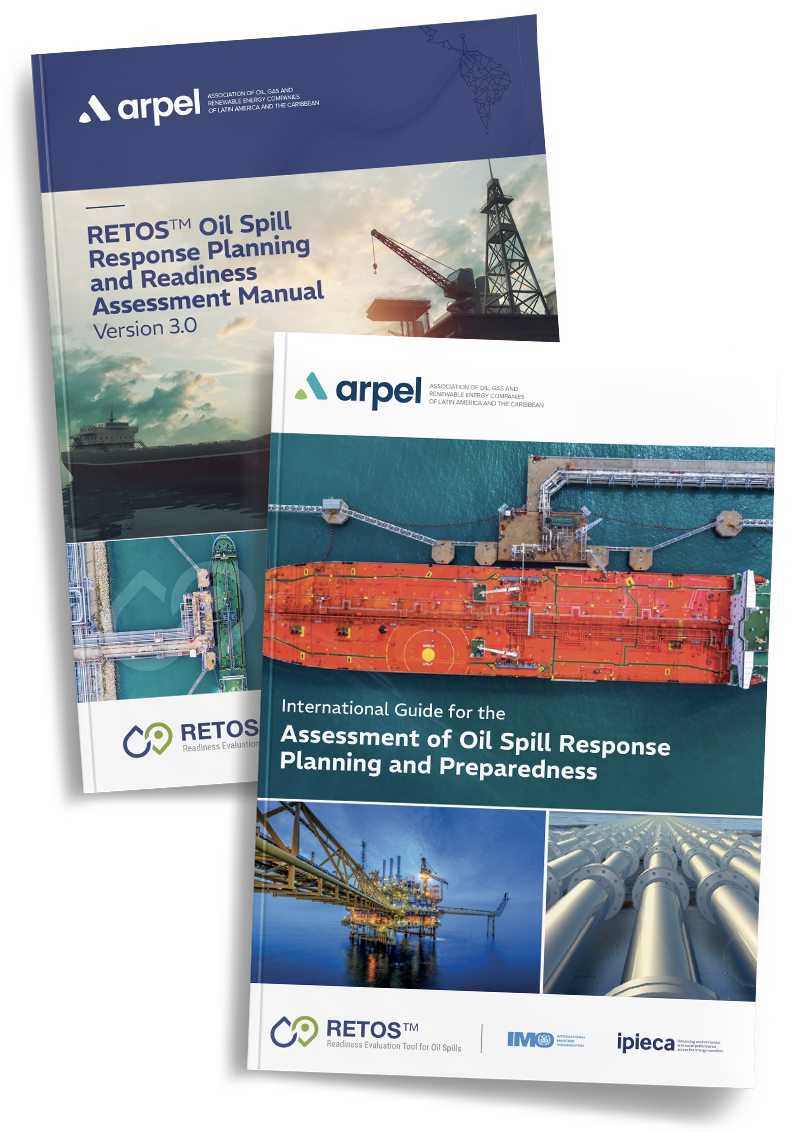
Assessment of Oil Spill Response Planning and Preparedness: International Guide and RETOS V3.0

Production

Assessment of Oil Spill Response Planning and Preparedness: International Guide and RETOS V3.0

The International Guide for the Assessment of Oil Spill Response Planning and Preparedness provides... More info
Arpel Channel (4)
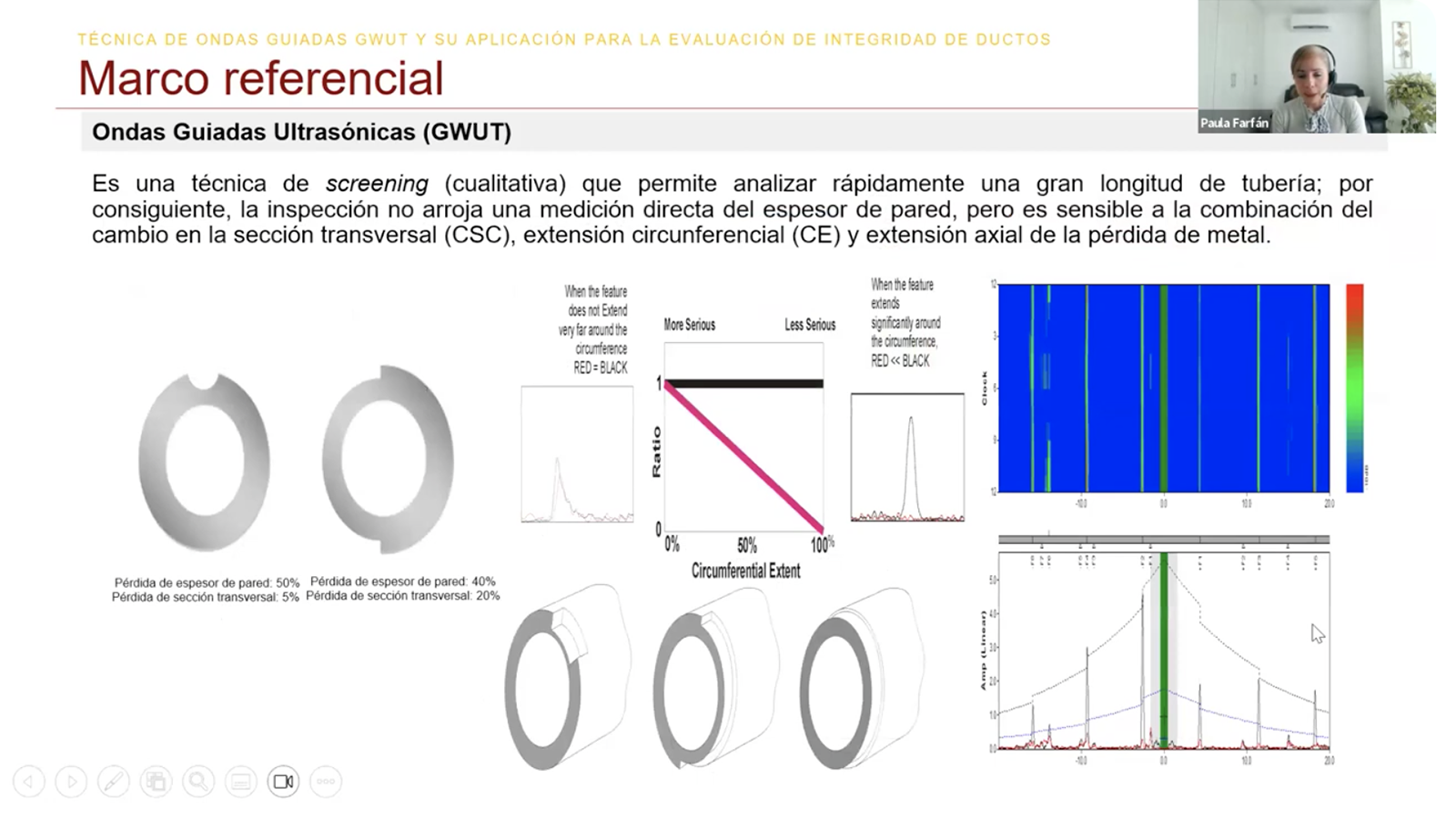
Webinar Guided Wave Ultrasonic Testing (GWUT) Technique. Application for Pipeline Integrity Assessment

Terminals, Transportation, Refinement

Webinar Guided Wave Ultrasonic Testing (GWUT) Technique. Application for Pipeline Integrity Assessment

Watch video
Arpel-Naturgas Week 2024 - April 8th to 12th in Cartagena de Indias

Environment, Energy Transitions, Sustainability

Arpel-Naturgas Week 2024 - April 8th to 12th in Cartagena de Indias

Watch video
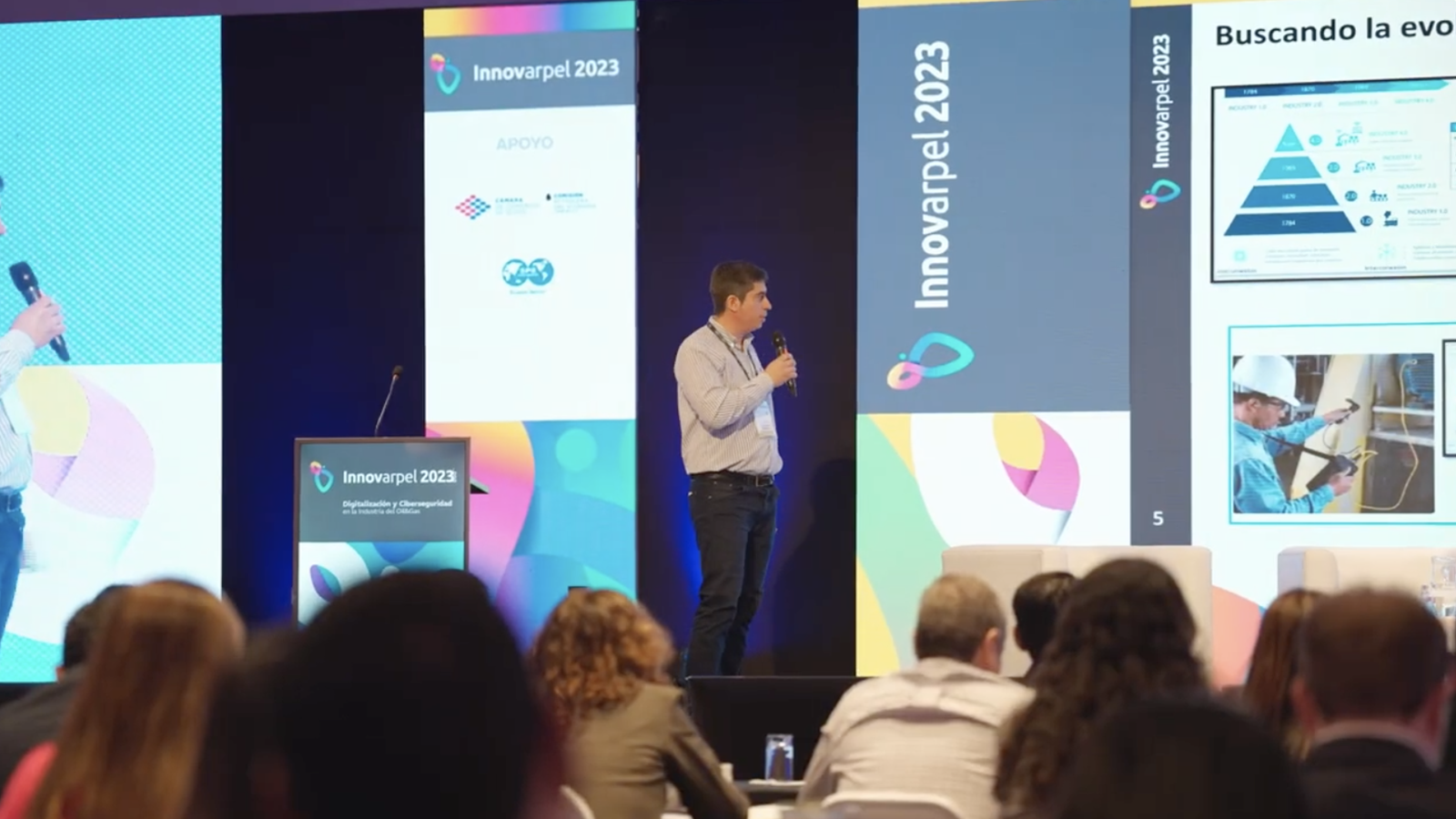
Innovarpel 2023, first edition of a technical event dedicated to Digitalization and Cybersecurity

Digitalization, Cybersecurity, Supply Chain

Innovarpel 2023, first edition of a technical event dedicated to Digitalization and Cybersecurity

Watch video
VIDEO SUMMARY: Arpel-Naturgas Week 2024. From April 8th to April 12th in Cartagena de Indias, Colombia

Environment, Energy Transitions, Sustainability

VIDEO SUMMARY: Arpel-Naturgas Week 2024. From April 8th to April 12th in Cartagena de Indias, Colombia

Watch video

Receive a summary of the main activities of the Association by e-mail.

Arpel Newsletter

SUBSCRIBE

ASSOCIATION OF OIL, GAS AND RENEWABLE ENERGY COMPANIES OF LATIN AMERICA AND THE CARIBBEAN

Av. Luis A. de Herrera 1248, WTC, Tower 2, 7th Floor, Office 717. Montevideo, Uruguay.
Phone: (+598) 2623 6993 – Email: info@arpel.org.uy

Contact Us