News

To Unlock Its Energy Potential, Latin America and the Caribbean Need Clear Rules, Legal Certainty, and a Long-Term Vision

To Unlock Its Energy Potential, Latin America and the Caribbean Need Clear Rules, Legal Certainty, and a Long-Term Vision

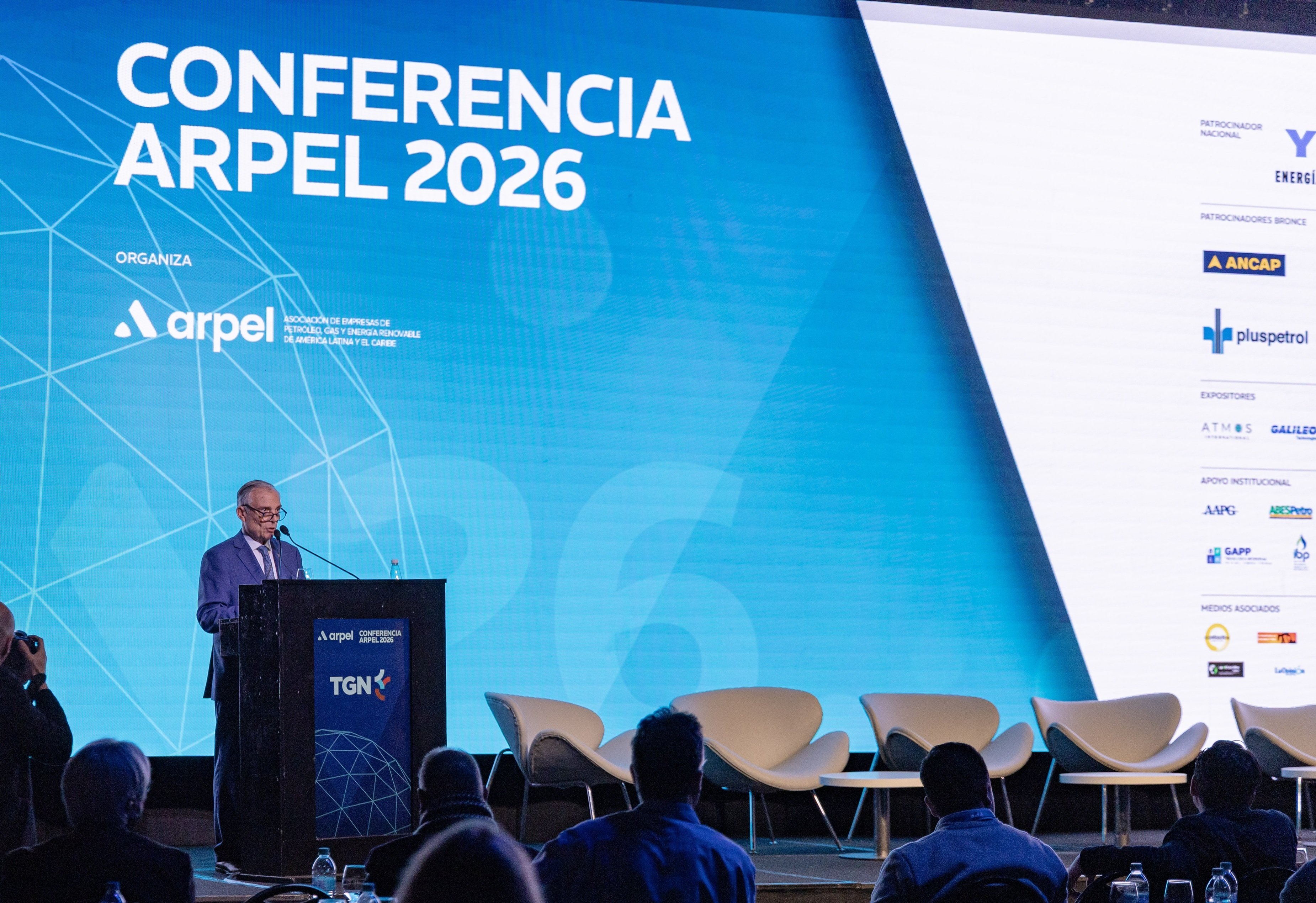
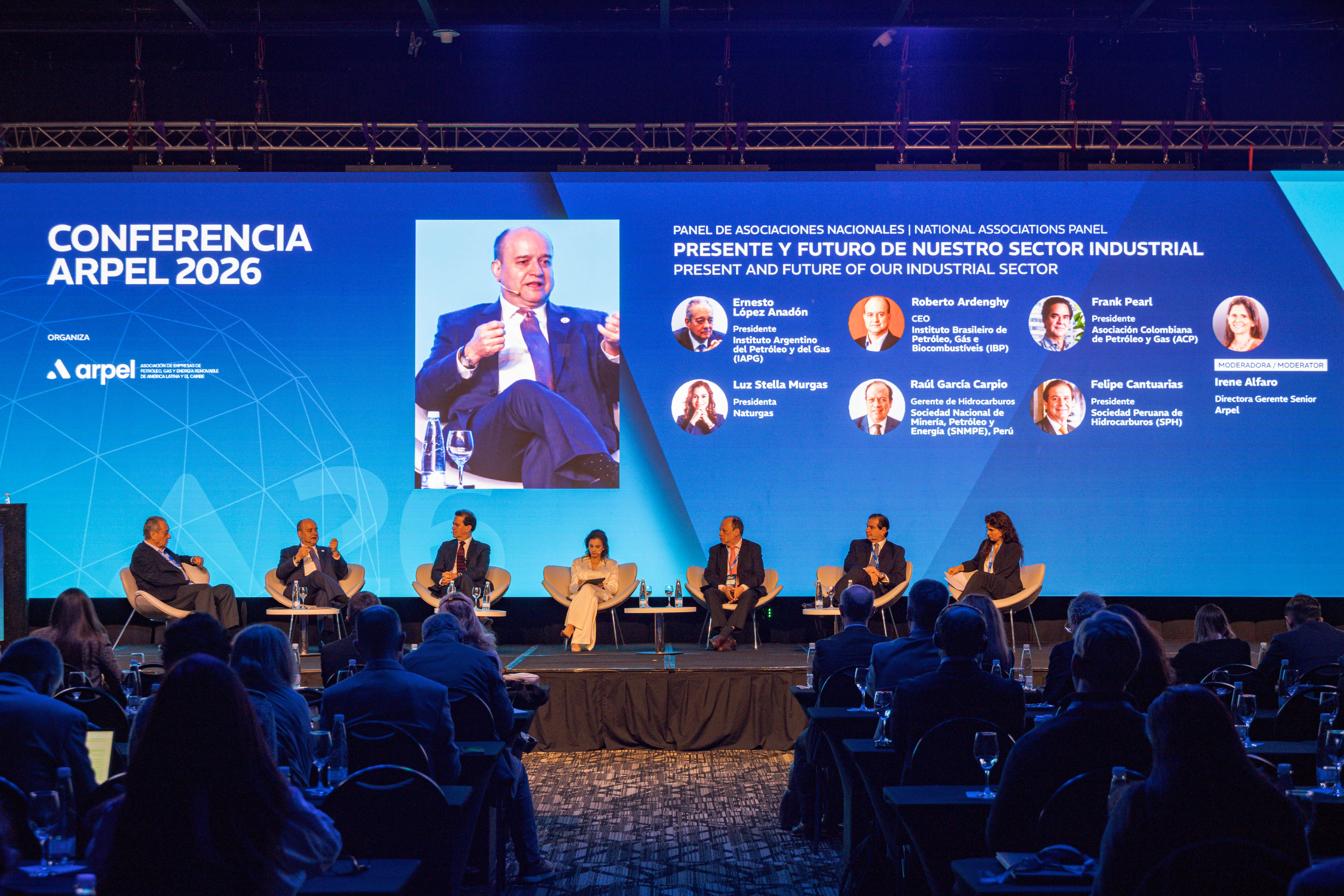
Leaders of regional energy associations warned that the main barrier to attracting investment is not the global environment, but rather the lack of predictability, competitiveness, and domestic consensus, at a time when Latin America’s energy potential has yet to translate into sustained development. The remarks were made during the third day of the ARPEL Conference 2026 in Buenos Aires.

Frank Pearl, President of the Colombian Association of Oil and Gas (ACP), stated that “national sovereignty is largely defined by energy sovereignty” and warned that “in some countries, we had lost the battle over the political narrative.” Along the same lines, Luz Stella Murgas, President of Naturgas, noted that uncertainty is “closely linked to the rules of the game,” while Roberto Ardenghy, CEO of the Brazilian Petroleum, Gas and Biofuels Institute (IBP), stated that “the industry is very strong and well prepared” and that the energy transition “is not solely an environmental phenomenon, but also an economic one.”

From Argentina, Ernesto López Anadón, President of IAPG, emphasized that “we must be extremely competitive” and that the key issue is “respect for investors.” Felipe Cantuarias, President of the Peruvian Hydrocarbons Society (SPH), warned that political instability hinders development, while Raúl García Carpio, Head of Hydrocarbons at Peru’s National Society of Mining, Petroleum and Energy (SNMPE), cautioned that “the national energy policy has not been updated since 2010.” Overall, the panelists agreed that without stable rules, legal certainty, and a long-term vision, the region will struggle to translate its energy potential into concrete investment. They also noted that in countries where the right formula is being applied, results are already materializing—particularly in Argentina and Brazil.

GLOBAL RISKS AND REGULATORY PRESSURES SHAPE THE ENERGY LANDSCAPE

Global industry leaders agreed that the world is facing a period of heightened geopolitical and regulatory risk, requiring continued investment in both hydrocarbons and emerging technologies. Carlos Garibaldi (Arpel) challenged simplistic approaches by stating that “reduction is not the solution,” while Elizabeth Komiskey (IOGP) called for a more practical approach focused on ensuring access to energy.

Jennifer Miskimins (SPE) warned that “we are experiencing these risks right now,” pointing to an increasingly unstable environment, while Andrea Stegher (International Gas Union) called for realistic regulations and defended sustainability as a means of “reducing poverty through energy.” Brian Sullivan (Ipieca), meanwhile, cautioned about political volatility and emphasized the need to recalibrate investments, stressing that the role of energy in driving progress cannot be underestimated. Overall, the panel agreed that energy security, regulatory stability, and pragmatism will be essential to navigating an increasingly uncertain global environment.

ARTIFICIAL INTELLIGENCE: ENERGY, WORK, AND PROFITABILITY

Delfina Arambillet of Globant warned that the rapid advancement of artificial intelligence presents the energy sector with a dual challenge: meeting rising energy demand while ensuring that AI adoption generates real business value. She noted that although 88% of companies are already using AI, only 39% report an impact on profitability—and a limited one at that—highlighting implementation challenges rather than issues of access. In this context, Arambillet stressed the need to deploy AI with a clear strategy, robust governance, and ethical principles. She also warned that the rapid advancement of AI is forcing a redesign of work itself, with humans increasingly focused on overseeing systems, while many companies still lag behind in adapting their operating models to fully capture its potential.

THE FUTURE OF WORK: YOUTH, UNIVERSITIES, AND COMPANIES

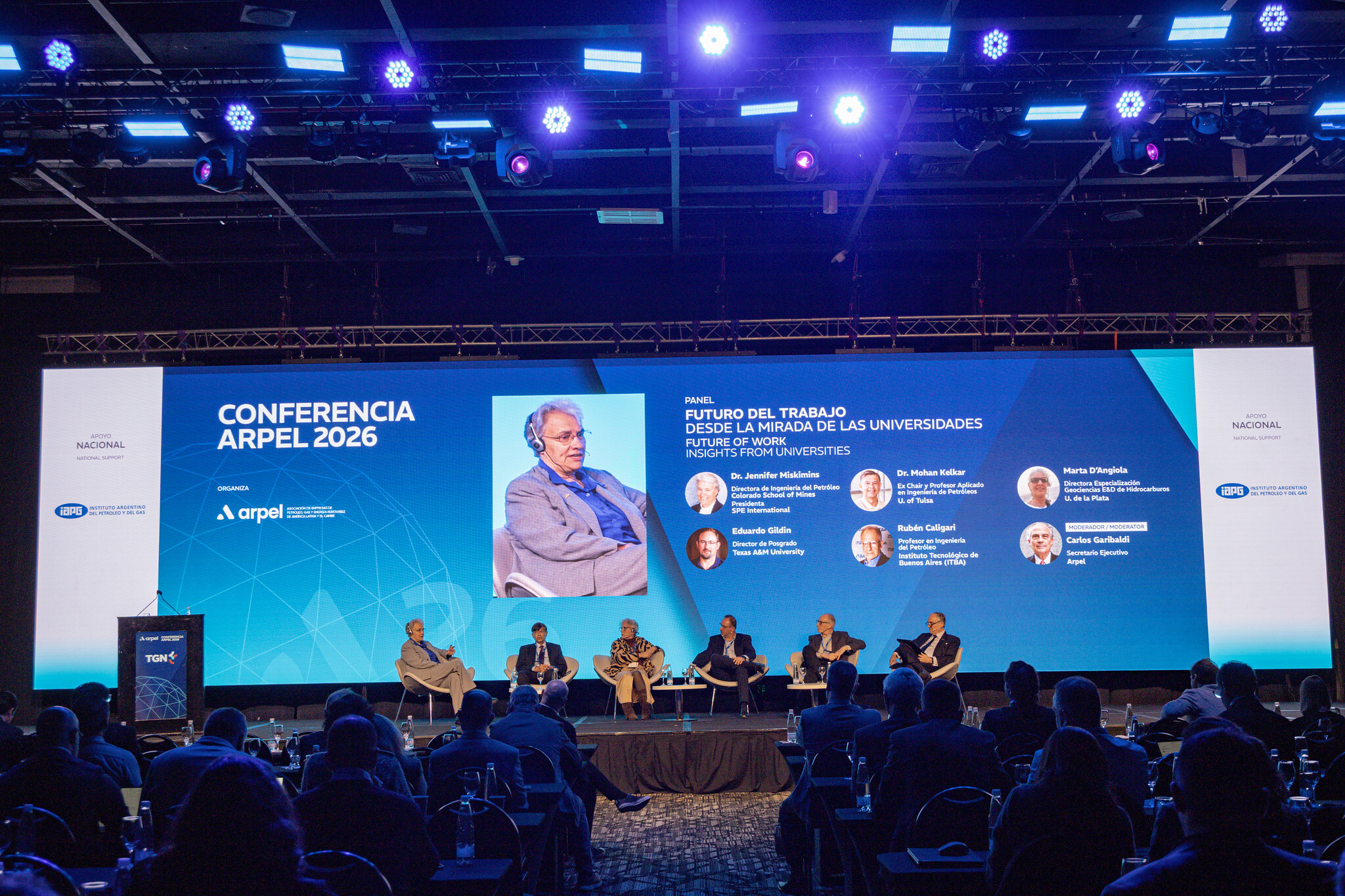
The education and employment of new professionals in an energy sector undergoing profound technological transformation were discussed across three panels featuring the perspectives of universities, companies, and young professionals. The sessions brought together academic representatives from five universities, talent management leaders, and emerging professionals, who shared their views on the technological and cultural challenges shaping the future of work in the industry. One of the panel’s main conclusions was: “Young people are not just looking for a job; they are looking for a purpose.”

CLIMATE RISKS: MANAGEMENT, STRATEGY, AND RESILIENCE

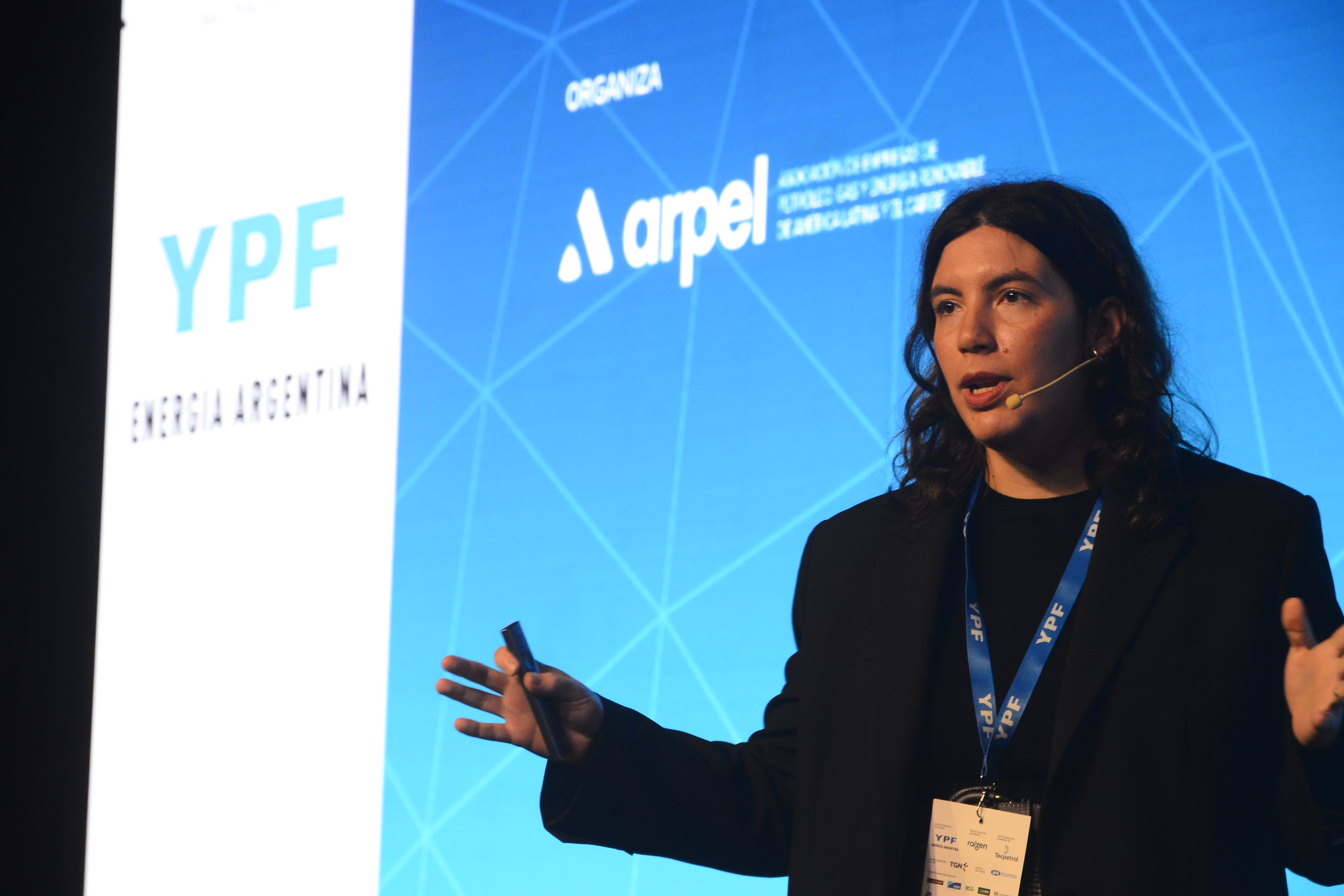
Energy companies across the region are accelerating the integration of physical climate risks into their operations, with a focus on extreme rainfall, droughts, and infrastructure degradation, according to Diego Agrelo (YPF), Andrés Mendizábal (TGP), Geonavis Hernández (Ecopetrol), and Laura Kennett (Grupo Rosen) during a panel moderated by Irene Alfaro.

The panelists agreed that operational resilience requires integrating data, planning, and investment decisions, while prioritizing material risks and strengthening monitoring, forecasting, and response capabilities. Among their main recommendations were institutionalizing climate risk management across the organization, involving senior leadership, improving the quality and availability of data, and using these analyses as management tools to ensure operational continuity in an increasingly challenging climate environment.

In a noteworthy presentation, Sandra Carrillo, Partner at ERM, argued that climate risks have already become a strategic factor for the energy sector, influencing competitiveness, access to financing, and business decision-making, in a context where extreme weather events are generating rising costs and affecting indicators such as EBITDA, CAPEX, and cost of capital. “This is not a future projection; it is a measurable reality,” she stated.
  • Tags:
    • Security
    • Environment
    • Digitalization
    • Exploration
    • Energy Transitions
    • Sustainability
    • Cybersecurity
    • Occupational Health
    • Supply Chain
    • Human Talent and Knowledge Management
    • Regulation
    • Management
    • Other Energies
    • Transportation
    • Refinement
    • Production
    • Gas
    • Terminals
    • Petrochemicals

Related content

News (4)
Gas Resources Drive a New Phase of Energy Expansion in Latin America and the Caribbean: Decarbonization, Transport, and Socioeconomic Growth

Security, Environment, Digitalization

Gas Resources Drive a New Phase of Energy Expansion in Latin America and the Caribbean: Decarbonization, Transport, and Socioeconomic Growth

Vaca Muerta could become a driving force for regional energy integration, according to the report... Read more
Natural Gas and Oil: CEOs Agree on the Challenge of Turning Regional Potential into a Reliable Energy Supply

Gas

Natural Gas and Oil: CEOs Agree on the Challenge of Turning Regional Potential into a Reliable Energy Supply

The debate surrounding oil and natural gas in the region is no longer about the availability of... Read more
Latin America Becomes the Energy Answer in an Uncertain and Redefining World

Security, Environment, Digitalization

Latin America Becomes the Energy Answer in an Uncertain and Redefining World

The world is looking to Latin America. At the opening of the Arpel 2026 Conference, international... Read more
Geopolitics, Vaca Muerta and the role of natural gas in the region take center stage at Arpel Conference 2026

Security, Environment, Digitalization

Geopolitics, Vaca Muerta and the role of natural gas in the region take center stage at Arpel Conference 2026

In an international context shaped by geopolitical tensions and structural changes in energy... Read more
Events (4)
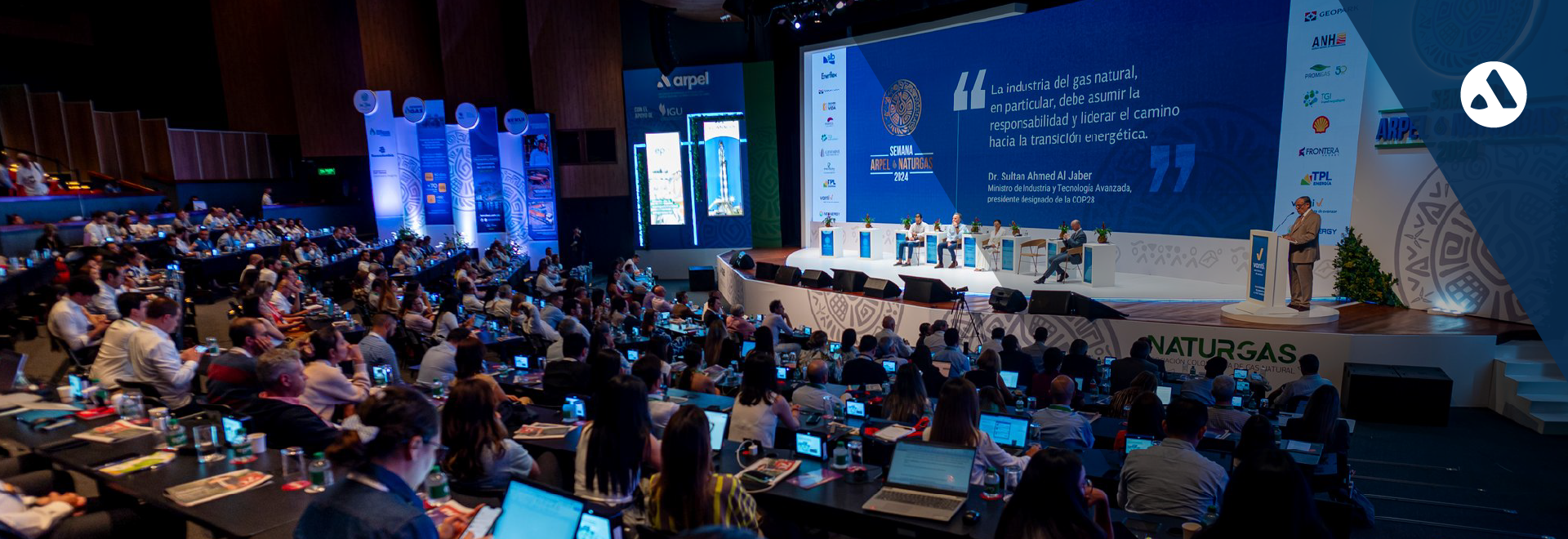
Arpel-Naturgas Week 2024

Refinement, Terminals, Gas

Arpel-Naturgas Week 2024

Arpel, the Association of Oil, Gas, and Renewable Energy Companies of Latin America and the... More info
Improving Process Safety Performance

Security

Improving Process Safety Performance

API published the third edition of Recommended Practice (RP) 754, Process Safety Performance... More info
Just Energy Transitions in Latin America and the Caribbean

Energy Transitions

Just Energy Transitions in Latin America and the Caribbean

ARPEL Side Event at 26th World Energy Congres : Just Energy Transitions in Latin America and the... More info
Status of Net Zero Reporting in the Latin American Oil and Gas sector

Sustainability

Status of Net Zero Reporting in the Latin American Oil and Gas sector

To present the results of a study focused on establishing a baseline of emissions reporting (scope... More info
courses (4)
EN99: Handling and Management of Industrial Cybersecurity Alerts Applying the ISA/IEC-62443 Standard

Cybersecurity

EN99: Handling and Management of Industrial Cybersecurity Alerts Applying the ISA/IEC-62443 Standard

More info
EN50: Industrial Cybersecurity Management for projects in the Energy, Oil & Gas sector

Cybersecurity

EN50: Industrial Cybersecurity Management for projects in the Energy, Oil & Gas sector

More info
EN60: Cyber Risk Assessment in New and Existing Industrial Systems in Energy, Oil & Gas.

Cybersecurity

EN60: Cyber Risk Assessment in New and Existing Industrial Systems in Energy, Oil & Gas.

More info
EN61: Design and Implementation of Cybersecurity Recommendations in Zones and Conduits

Cybersecurity

EN61: Design and Implementation of Cybersecurity Recommendations in Zones and Conduits

More info
Publications (4)
Arpel upper management report on climate change COP27

Production

Arpel upper management report on climate change COP27

This report summarizes the main conclusions from the 27th Conference of the Parties to the United... More info
Just Energy Transitions in Latin America and the Caribbean

Energy Transitions

Just Energy Transitions in Latin America and the Caribbean

This document describes the consensual position of Arpel member companies regarding the concept of... More info
Industrial Cybersecurity Maturity Benchmarking in the oil and gas industry for Latin America and the Caribbean

Cybersecurity

Industrial Cybersecurity Maturity Benchmarking in the oil and gas industry for Latin America and the Caribbean

This manual provides a general description of the methodology developed by Arpel to carry out the... More info
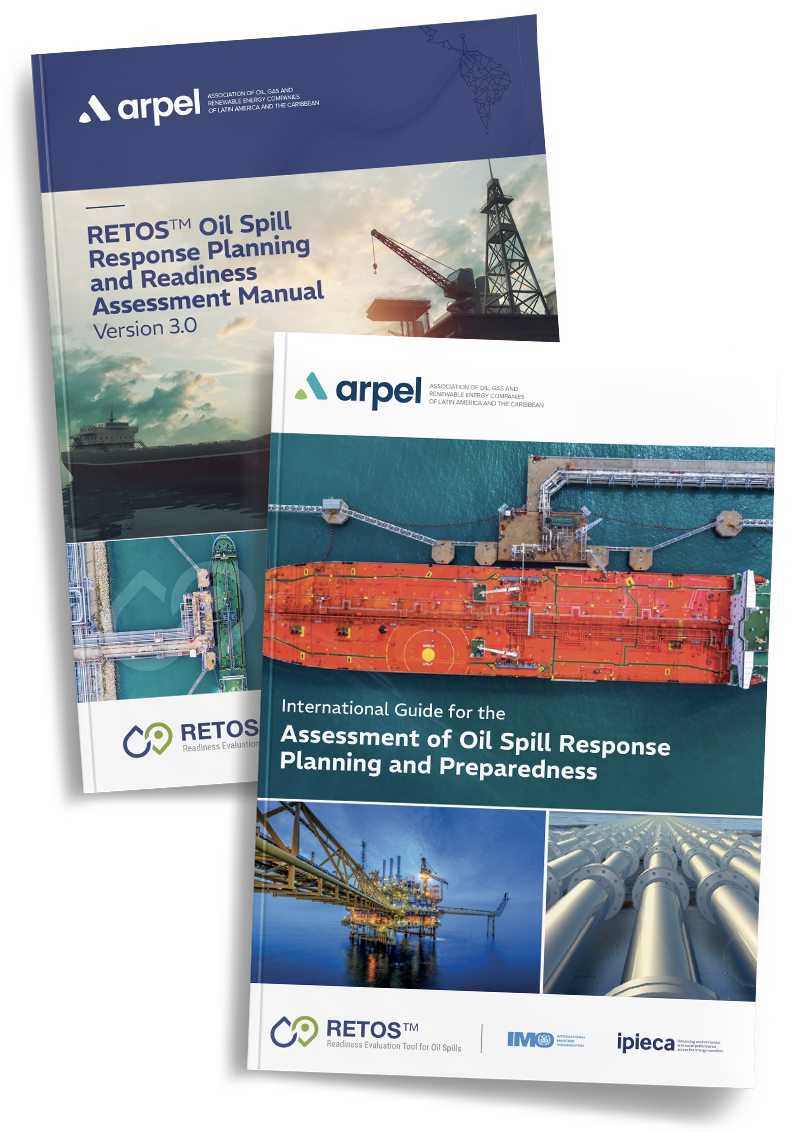
Assessment of Oil Spill Response Planning and Preparedness: International Guide and RETOS V3.0

Production

Assessment of Oil Spill Response Planning and Preparedness: International Guide and RETOS V3.0

The International Guide for the Assessment of Oil Spill Response Planning and Preparedness provides... More info
Arpel Channel (4)
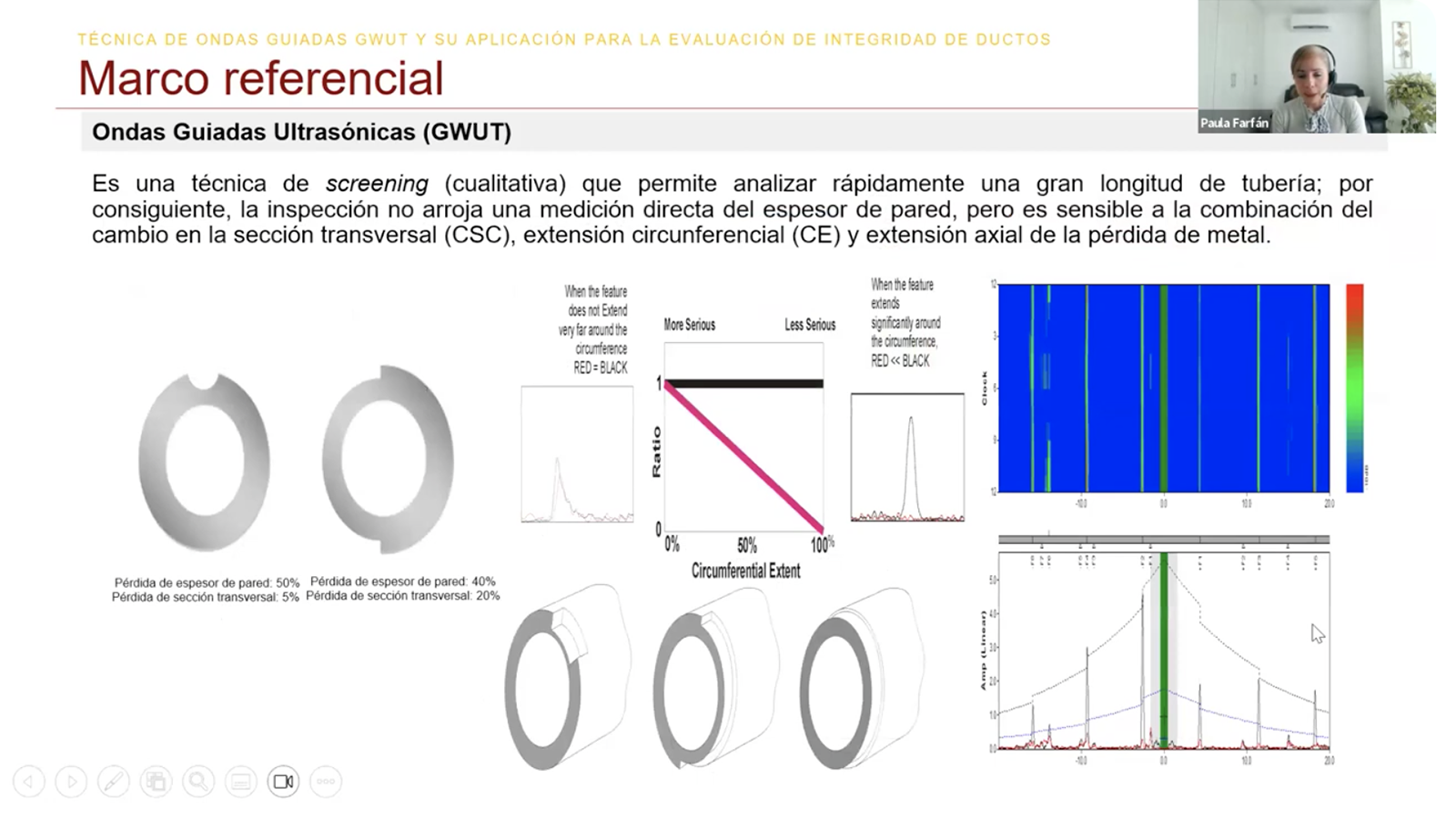
Webinar Guided Wave Ultrasonic Testing (GWUT) Technique. Application for Pipeline Integrity Assessment

Terminals, Transportation, Refinement

Webinar Guided Wave Ultrasonic Testing (GWUT) Technique. Application for Pipeline Integrity Assessment

Watch video
Arpel-Naturgas Week 2024 - April 8th to 12th in Cartagena de Indias

Environment, Energy Transitions, Sustainability

Arpel-Naturgas Week 2024 - April 8th to 12th in Cartagena de Indias

Watch video
Innovarpel 2023, first edition of a technical event dedicated to Digitalization and Cybersecurity

Digitalization, Cybersecurity, Supply Chain

Innovarpel 2023, first edition of a technical event dedicated to Digitalization and Cybersecurity

Watch video
VIDEO SUMMARY: Arpel-Naturgas Week 2024. From April 8th to April 12th in Cartagena de Indias, Colombia

Environment, Energy Transitions, Sustainability

VIDEO SUMMARY: Arpel-Naturgas Week 2024. From April 8th to April 12th in Cartagena de Indias, Colombia

Watch video

Receive a summary of the main activities of the Association by e-mail.

Arpel Newsletter

SUBSCRIBE

ASSOCIATION OF OIL, GAS AND RENEWABLE ENERGY COMPANIES OF LATIN AMERICA AND THE CARIBBEAN

Av. Luis A. de Herrera 1248, WTC, Tower 2, 7th Floor, Office 717. Montevideo, Uruguay.
Phone: (+598) 2623 6993 – Email: info@arpel.org.uy

Contact Us